
Crete - 1 Week Itinerary
Planning the perfect Crete itinerary isn't easy. Greece's largest island is filled with spectacular beaches, mountain villages, ancient ruins, scenic drives, and incredible food, making it difficult to know what to prioritize. After exploring Crete ourselves, we've created this detailed itinerary that helps you experience the island's highlights. Once you experience Crete, it stays with you forever.
In addition to the itinerary details, click here for Tips on Visiting Crete.
Quick Crete Itinerary at a Glance
| Day | Highlights | Overnight |
|---|---|---|
| Day 1 | This is the travel day. Arriving at the ferry port in Heraklion and drive to Platanias. | Platanias |
| Day 2 | Elafonisi Beach. | Platanias |
| Day 3 | Ancient Olive Tree of Vouves, and the town of Chania. | Platanias |
| Day 4 | Monastery of Agia Triada & evening in Rethymno. | Rethymno |
| Day 5 | Kourtaliotiko Gorge, Village of Plakias, Preveli Beach, Rethymno. | Rethymno |
| Day 6 | Preveli Monastery, Plakias Beach, Rethymno. | Rethymno |
| Day 7 | Village of Margarites, Klados Winery, and outskirts of Heraklion. | Heraklion |
| Day 8 | Village of Matala. | Heraklion |
| Day 9 | Return car, flight from Heraklion to Athens and Athens to home. |
Day 1 - Arrival into Heraklion Port and the Drive to Platanias
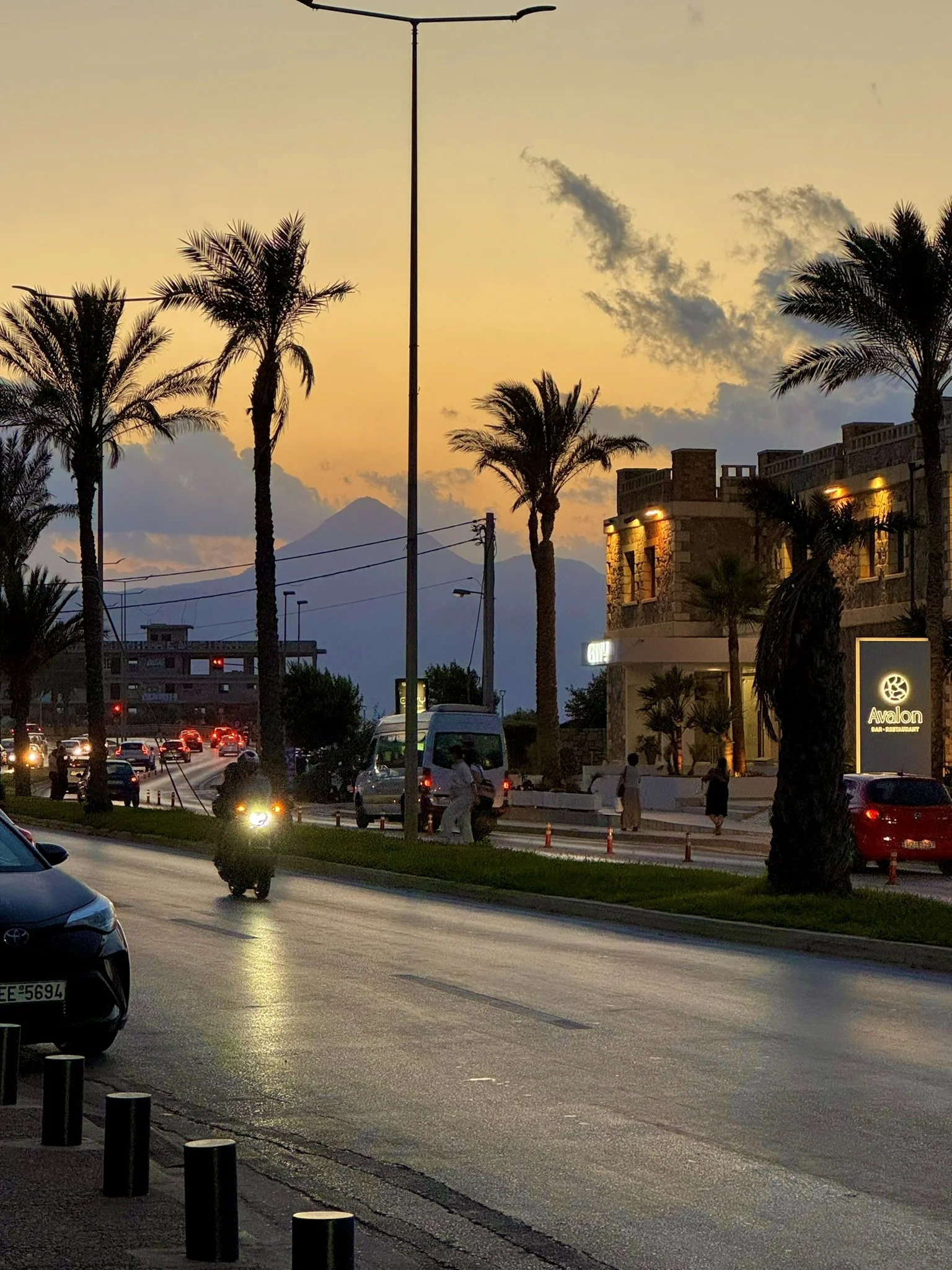
We arrived in Heraklion via ferry, picked up our rental car, and drove to our apartment two hours away in Platanias. On the way, we stopped near Rethymno for a quick dinner at Mr. Gyros Grill Restaurant—it wasn’t fancy, but it was delicious! We continued on to our apartment in Platanias, called Angel Suites. Just up on one of the side streets is a huge, free parking lot. The apartment was wonderful and modern, and it featured a massive patio that easily could have fit 100 people, but it was all ours.
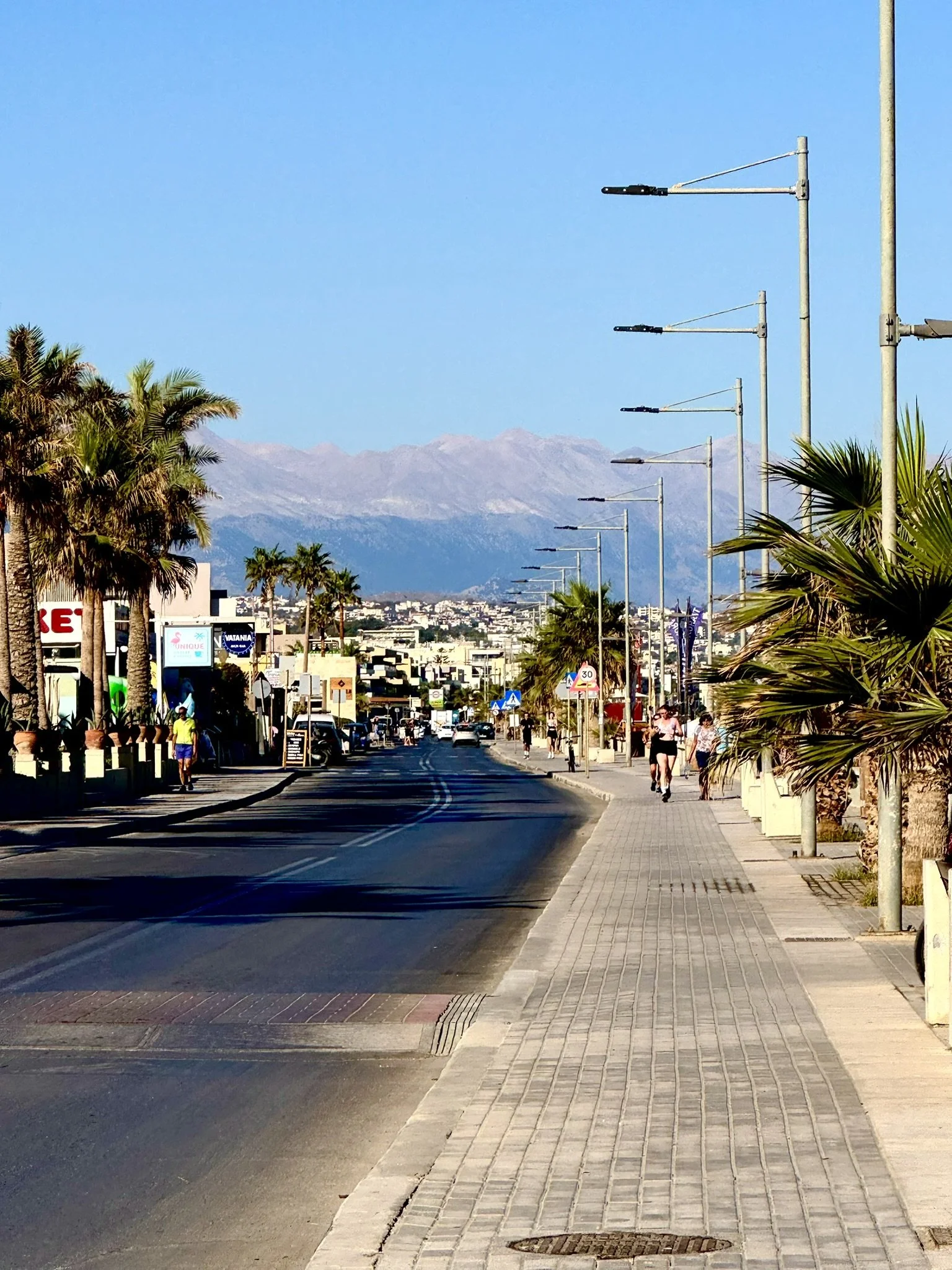
Platanias is a lively seaside village just west of Chania, known for its long sandy beach, warm Mediterranean waters, and easygoing holiday atmosphere. Once a quiet fishing settlement, it has grown into a popular resort area while still holding onto touches of traditional Cretan character, especially in its upper village where narrow streets and old houses overlook the coast.
Along the waterfront, you’ll find a stretch of beach bars, tavernas, and cafés, perfect for spending slow days by the sea or watching the sunset. The beach itself is well-organized, with soft sand and clear water, making it ideal for swimming and relaxing. At night, Platanias comes alive with a vibrant yet casual nightlife scene—lively without feeling overwhelming, even if it is a bit touristy.
If you climb up to the old village area, the mood shifts: it is quieter and more authentic, offering panoramic views of the coastline and glimpses of everyday local life. Overall, the town's location makes it a convenient base for exploring western Crete, from nearby Chania to scenic drives through mountains, olive groves, world-famous beaches, and hidden villages.
Day 2 - Visiting Elafonisi Beach
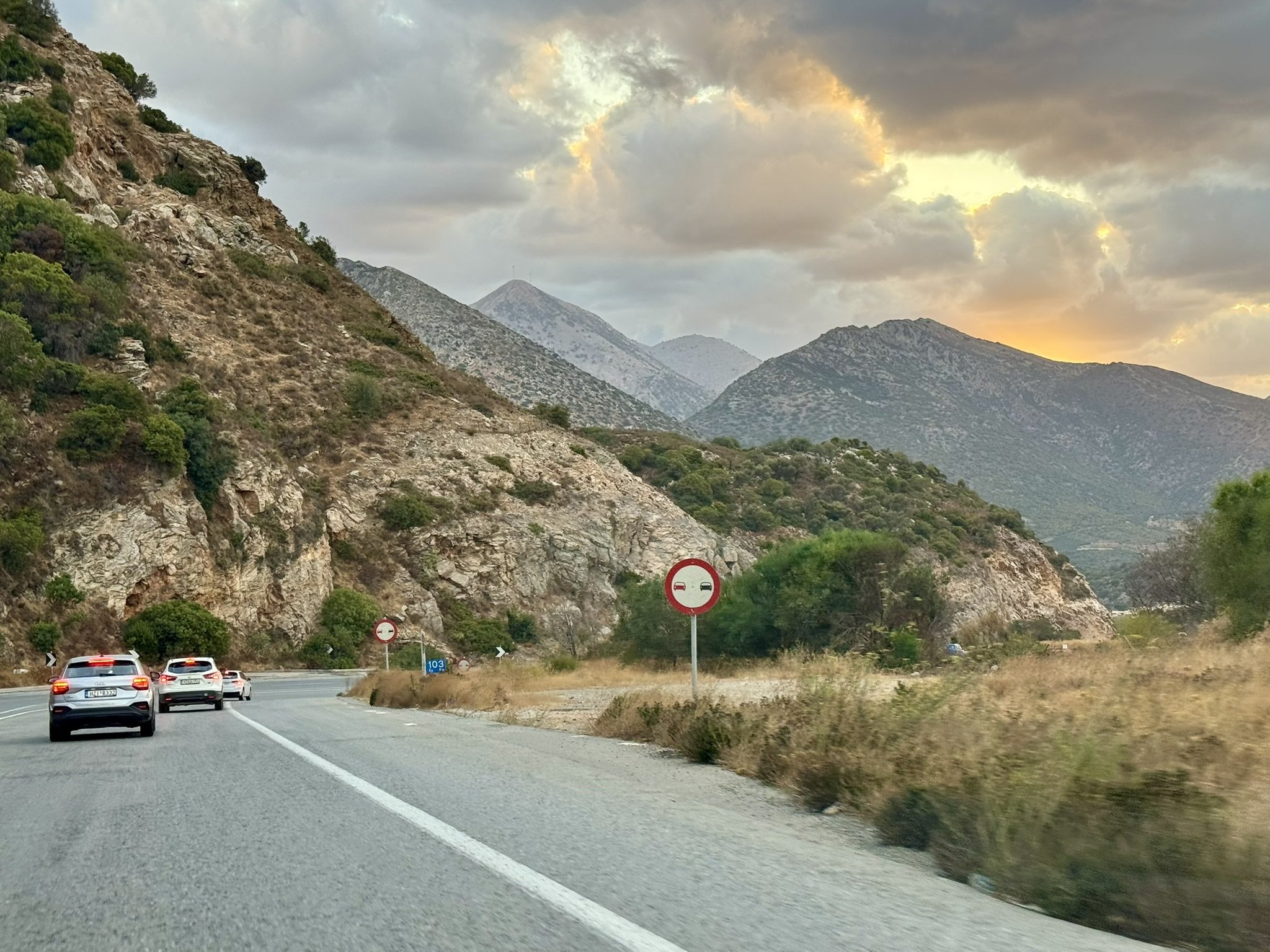
We set out from Platanias for a day trip to Elafonisi Beach, winding through the hills and pausing at a small roadside stand near a gorge to taste local honey and olive oil—it was so good we ended up buying a few jars to take with us. As we got closer to the beach, several organized parking areas appeared, each charging a small daily fee, making it easy enough to leave the car and walk in.
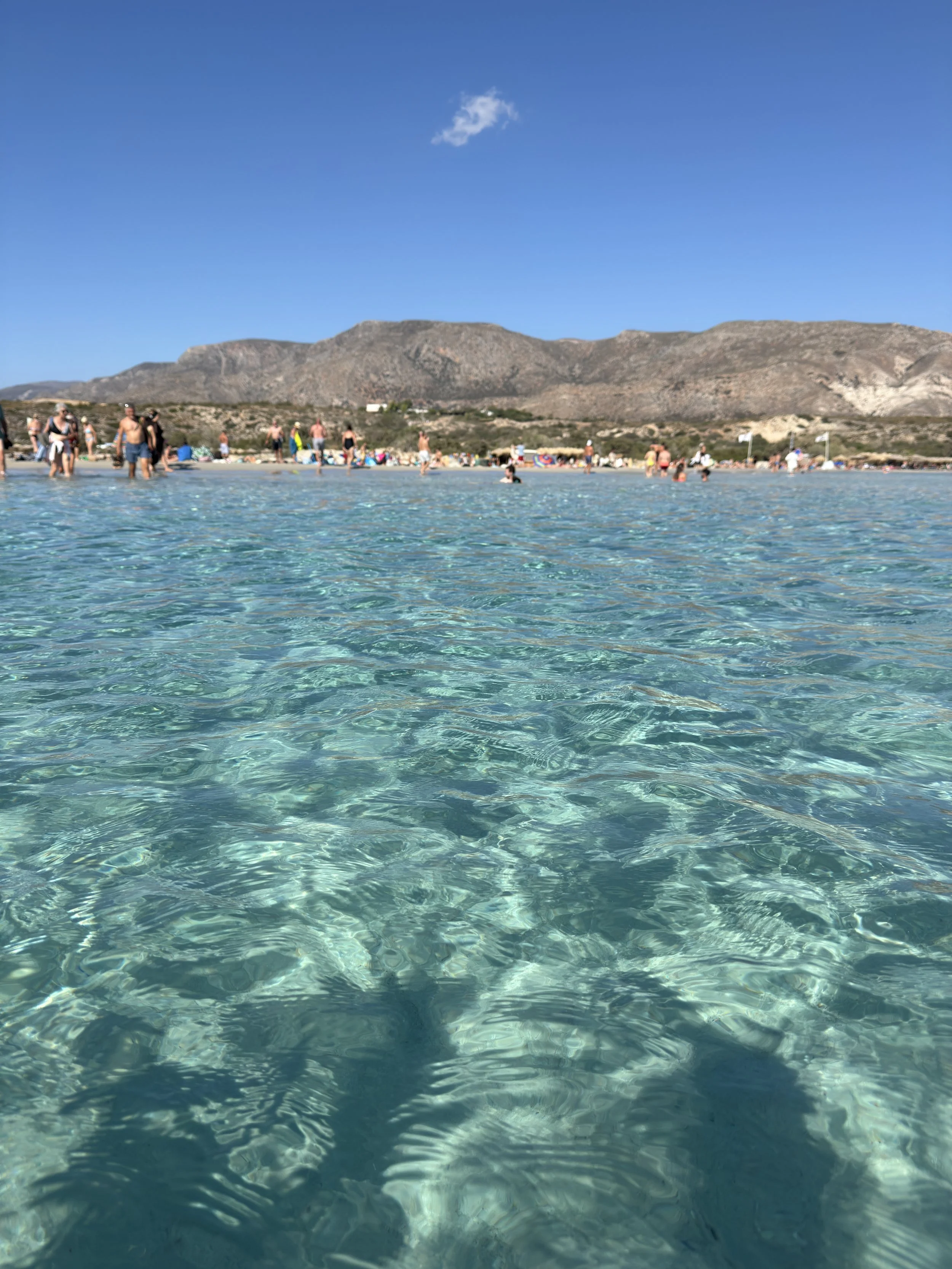
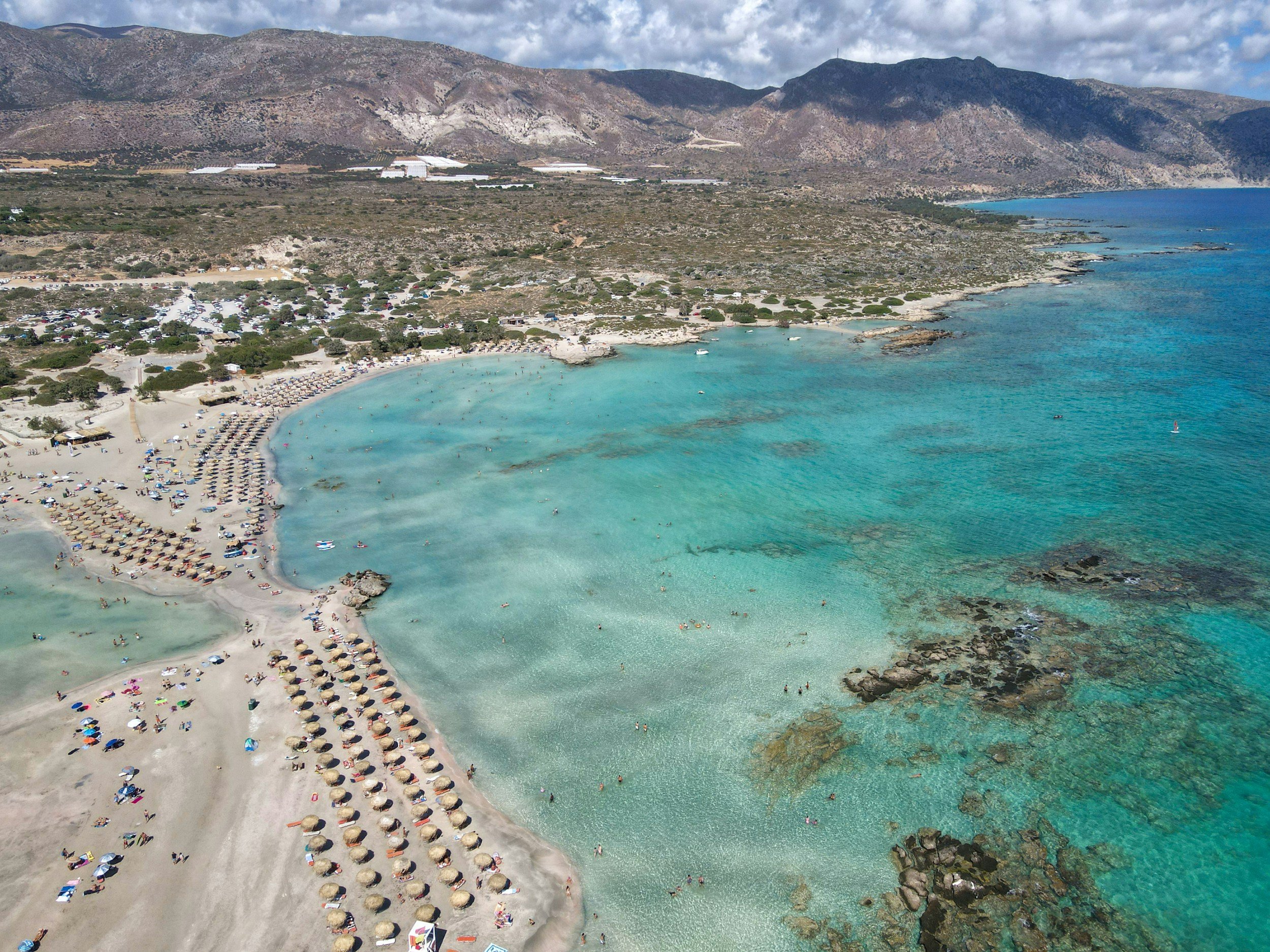
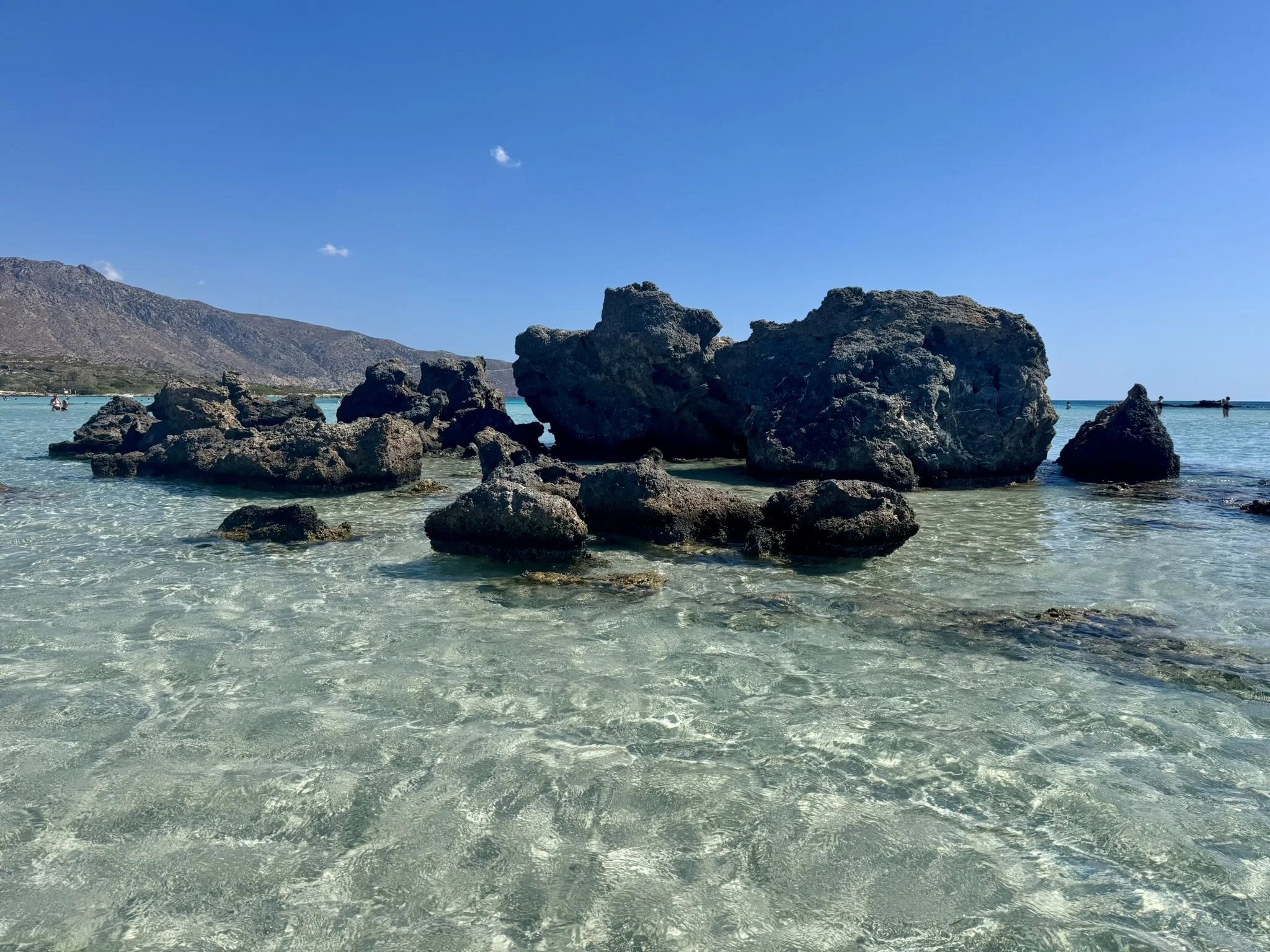
Elafonisi Beach is one of Crete’s most famous natural landscapes, known for its surreal beauty and striking, pink-tinged sands. Located on the island’s remote southwest coast, it feels almost otherworldly, with shallow turquoise lagoons stretching across sandbars that connect the mainland to a small islet just offshore. The water is exceptionally clear and calm, often warm and shallow enough to wade across, making it feel more like a natural lagoon than a typical beach.
The beach’s distinctive pink hues come from crushed seashells mixed with white sand, creating soft, pastel tones that shift with the light and tides. Beyond the shoreline, low dunes and juniper trees provide a sense of untouched wilderness, as the area is part of a protected Natura 2000 conservation zone. This status helps preserve its fragile ecosystem and unspoiled character.
Despite its popularity, Elafonisi still offers moments of quiet, especially if you walk away from the main access points. It’s a place where the landscape itself is the main attraction—simple, expansive, and strikingly beautiful, with the Libyan Sea stretching out to the horizon.
Back in Platanias, we had dinner at Avrofiliton, a charming spot where everything we ordered was fresh and flavorful. We finished the evening with a stroll through town, browsing small shops selling handmade jewelry and olive oil products before heading back to our apartment.
🏖️ Travel Tip: Elafonisi Beach vs. Balos Beach We would have loved to do both, but Balos can only be safely reached by boat, and by the time we arrived in September, the daily excursions from Kissamos to Balos had just closed for the season.
Day 3 - World’s Old Olive Trees & Exploring Chania’s Old Town and Venetian Harbour
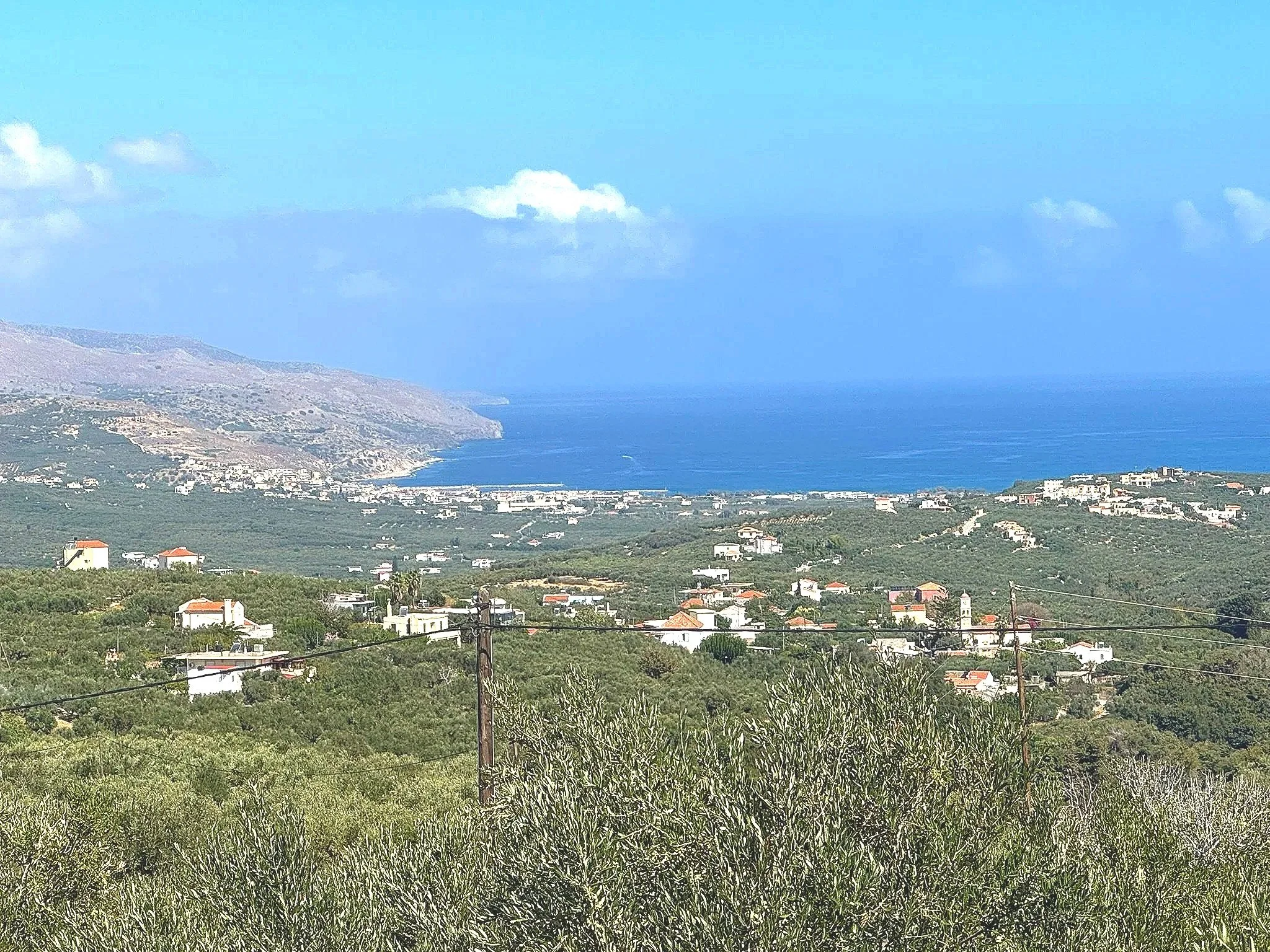
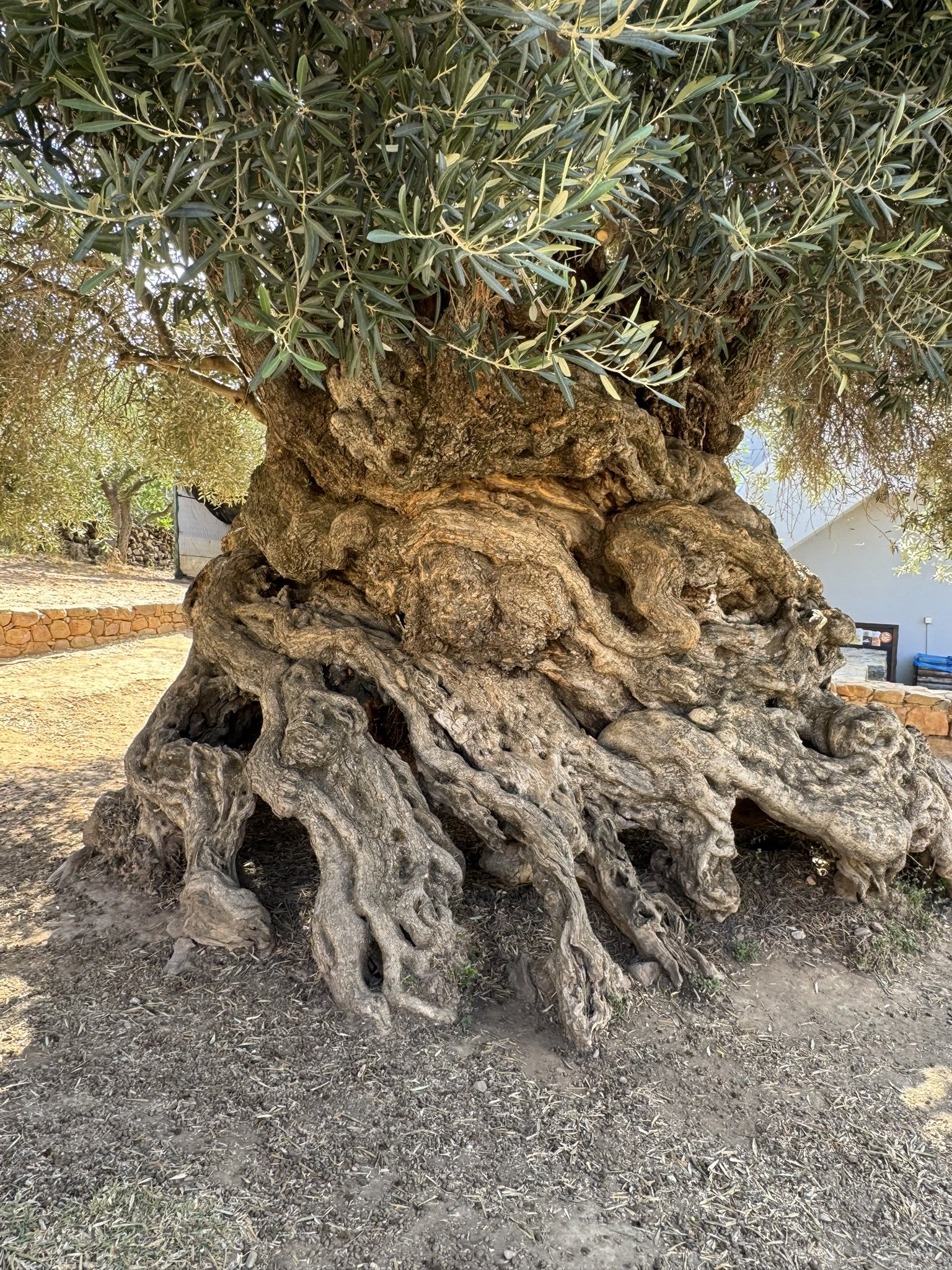
We drove from Platanias toward the Ancient Olive Tree of Vouves, passing through small villages and quiet countryside along the way. After seeing the oldest olive tree in the world—estimated to be over 3,000 years old—we stopped at a nearby local restaurant for a light lunch. Afterward, we continued up the hill to a small church, where the views opened up to rolling olive groves and the blue sea beyond. In the early afternoon, we headed toward Chania, parked for free in a large parking lot on the outskirts, and took the shuttle into the Old Town.
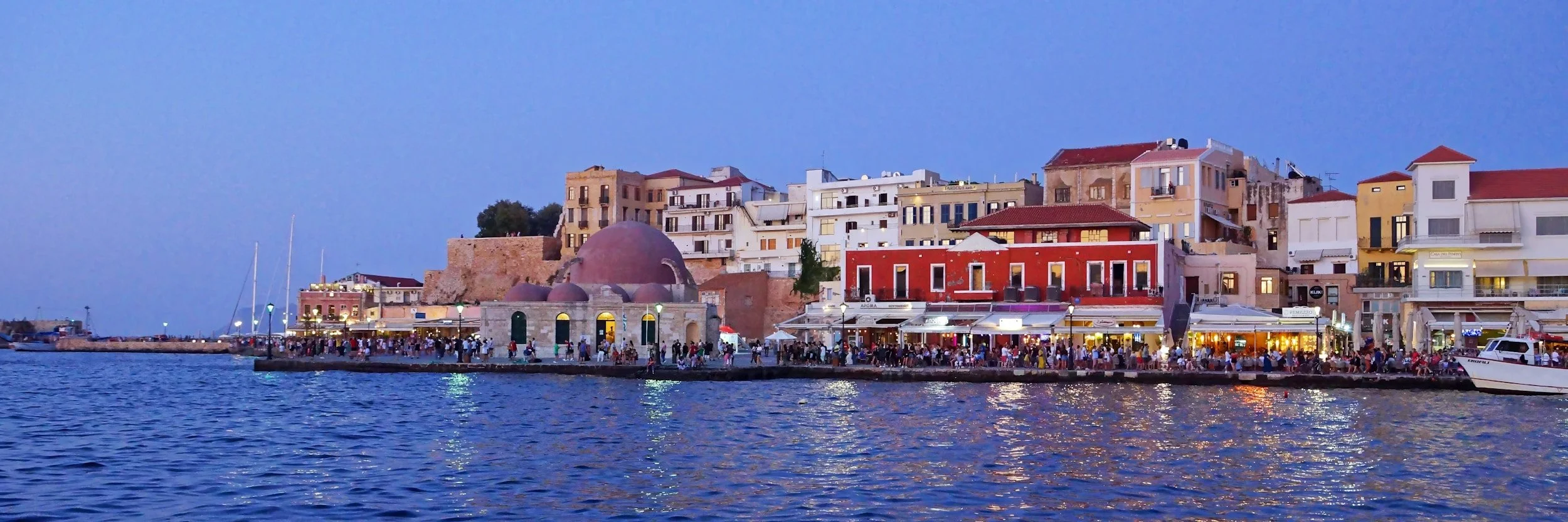
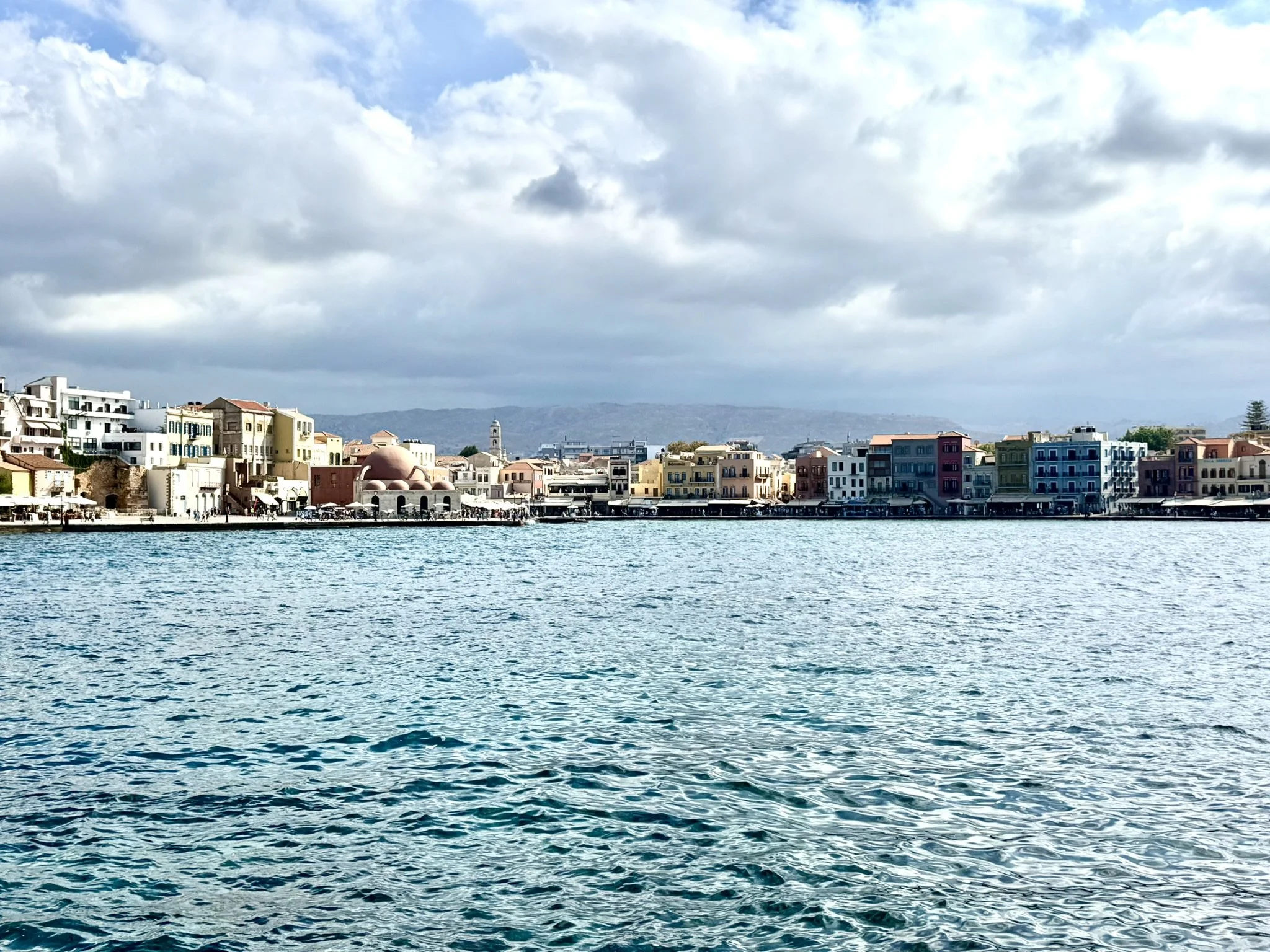
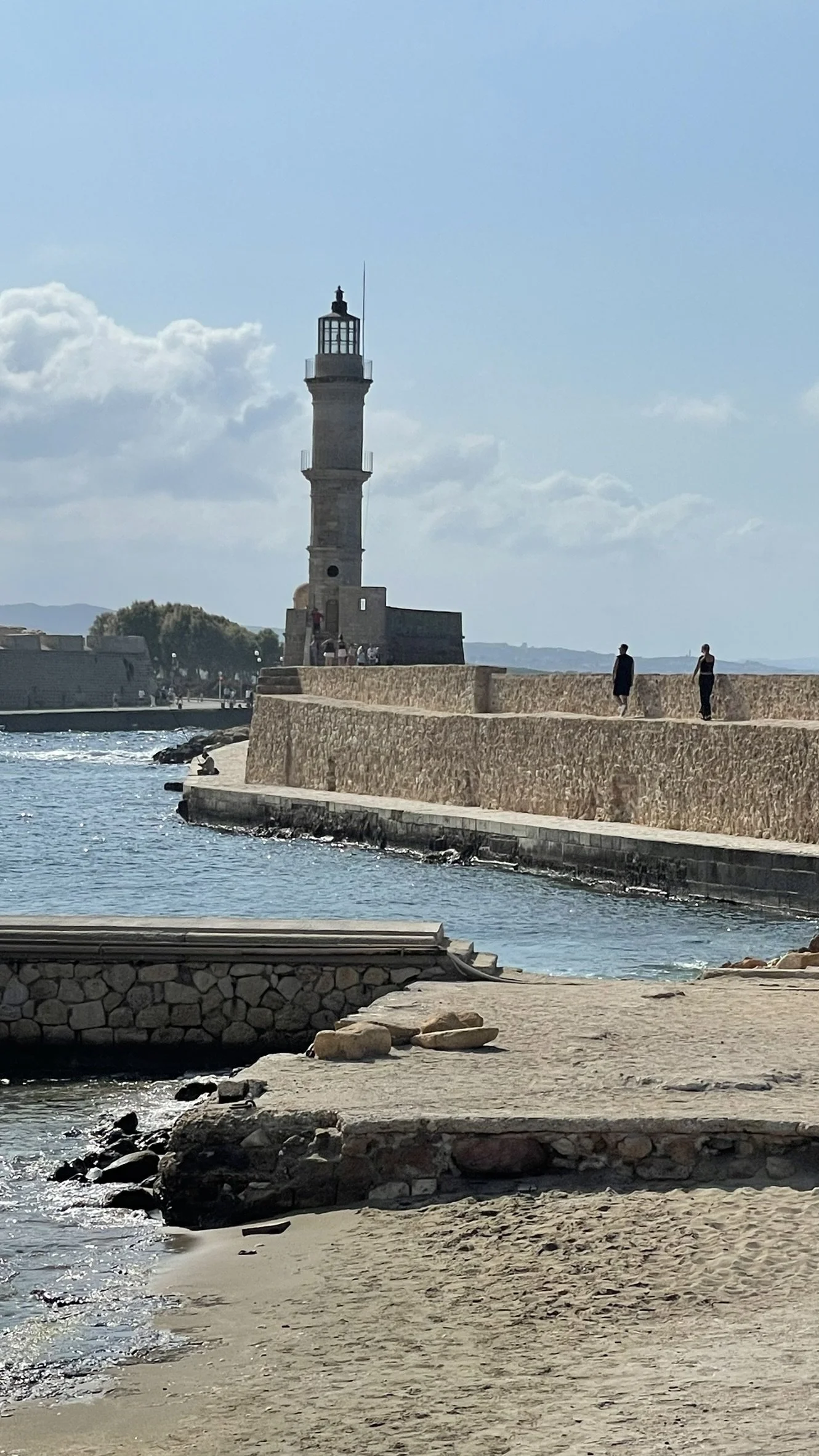
Chania is Crete’s most enchanting blend of history, color, and coastal beauty. Centered around its Venetian Harbor, the city feels like a living postcard with its pastel buildings, graceful lighthouse, and waterfront cafés that glow at sunset. The Old Town is a labyrinth of narrow lanes where Venetian, Ottoman, and Cretan influences overlap in architecture, food, and everyday life. Each quarter has its own distinct personality, from elegant Topanas to the more bohemian Splantzia.
We spent the rest of the day exploring the historic streets, walking along the harbor to the lighthouse, and finishing with an excellent dinner at one of the many restaurants hidden away in the Old Town.
Day 4 - Visit Monastery of Agia Triada & Explore Rethymno's Old Town
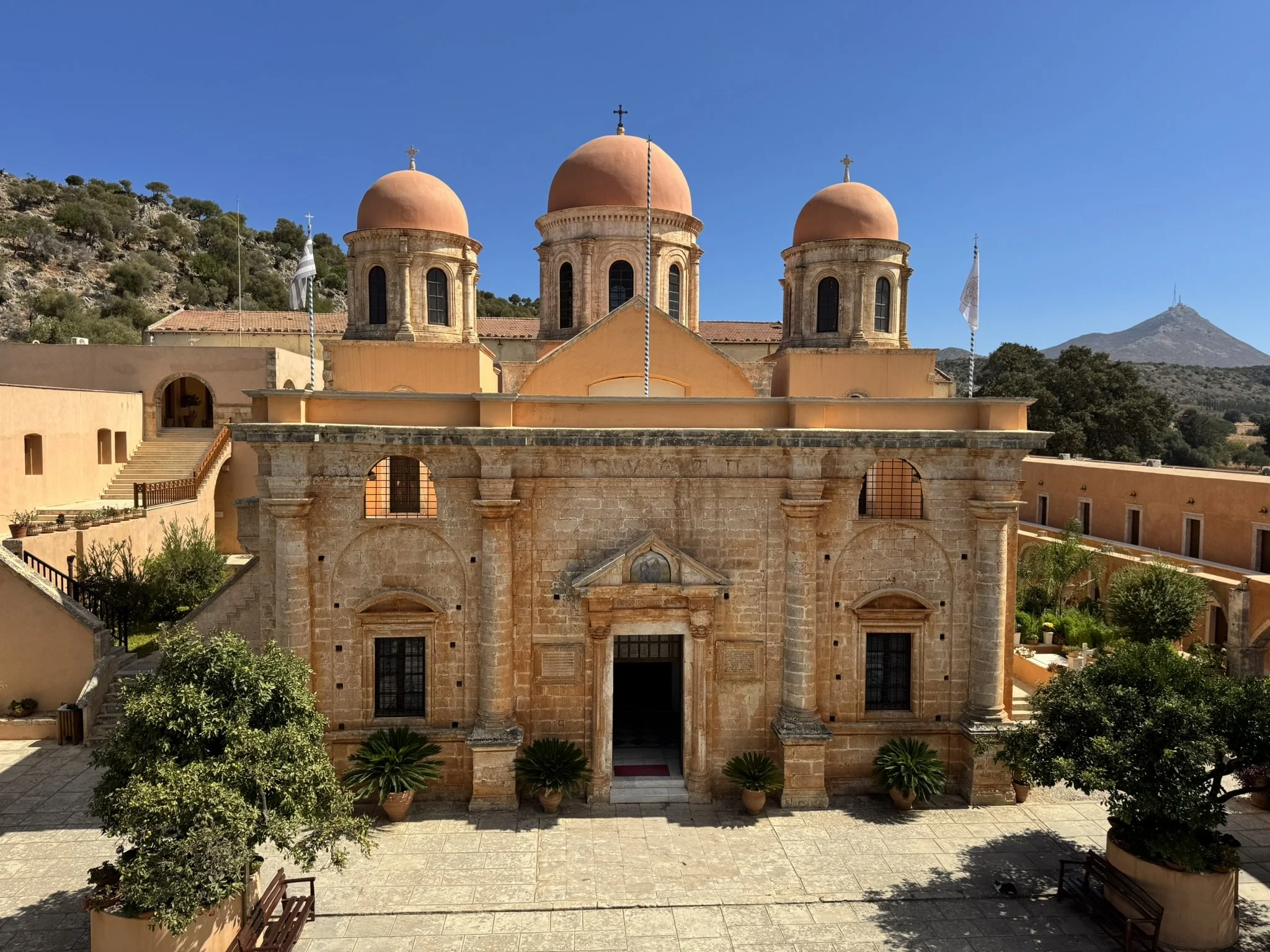
Our day began with a relaxed departure from Platanias, setting off into the Cretan countryside where rolling hills and olive groves framed the journey. Our first stop was the Monastery of Agia Triada, one of Crete’s most striking and well-preserved monastic complexes, set amid the quiet countryside of the Akrotiri Peninsula. Built in the 17th century by Venetian-Cretan monks, the monastery blends Renaissance elegance with traditional Orthodox design. Its honey-colored stone façade, symmetrical arches, and imposing bell tower give it a stately, almost fortress-like presence, while the inner courtyard feels calm and contemplative, framed by cypress trees and flowering plants.
There is a peaceful atmosphere here—a sense of stillness that invites you to slow down, wander the cloisters, and take in the subtle details of the architecture and landscape. It’s both a cultural landmark and a living monastery, offering a glimpse into Crete’s religious heritage as well as its enduring connection to the land. After visiting the monastery, it was time to leave the Chania region behind and check into our next apartment in Rethymno.
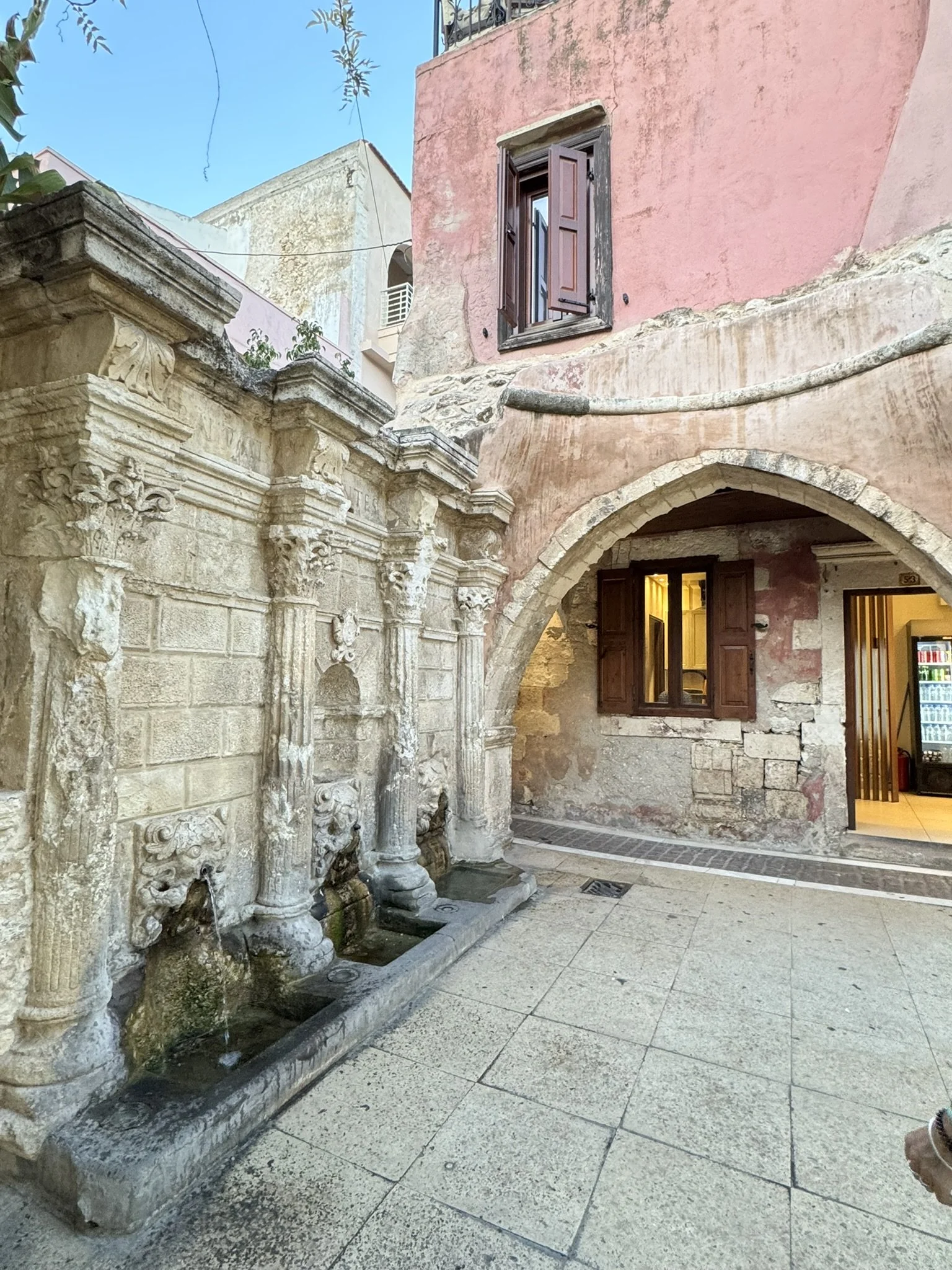
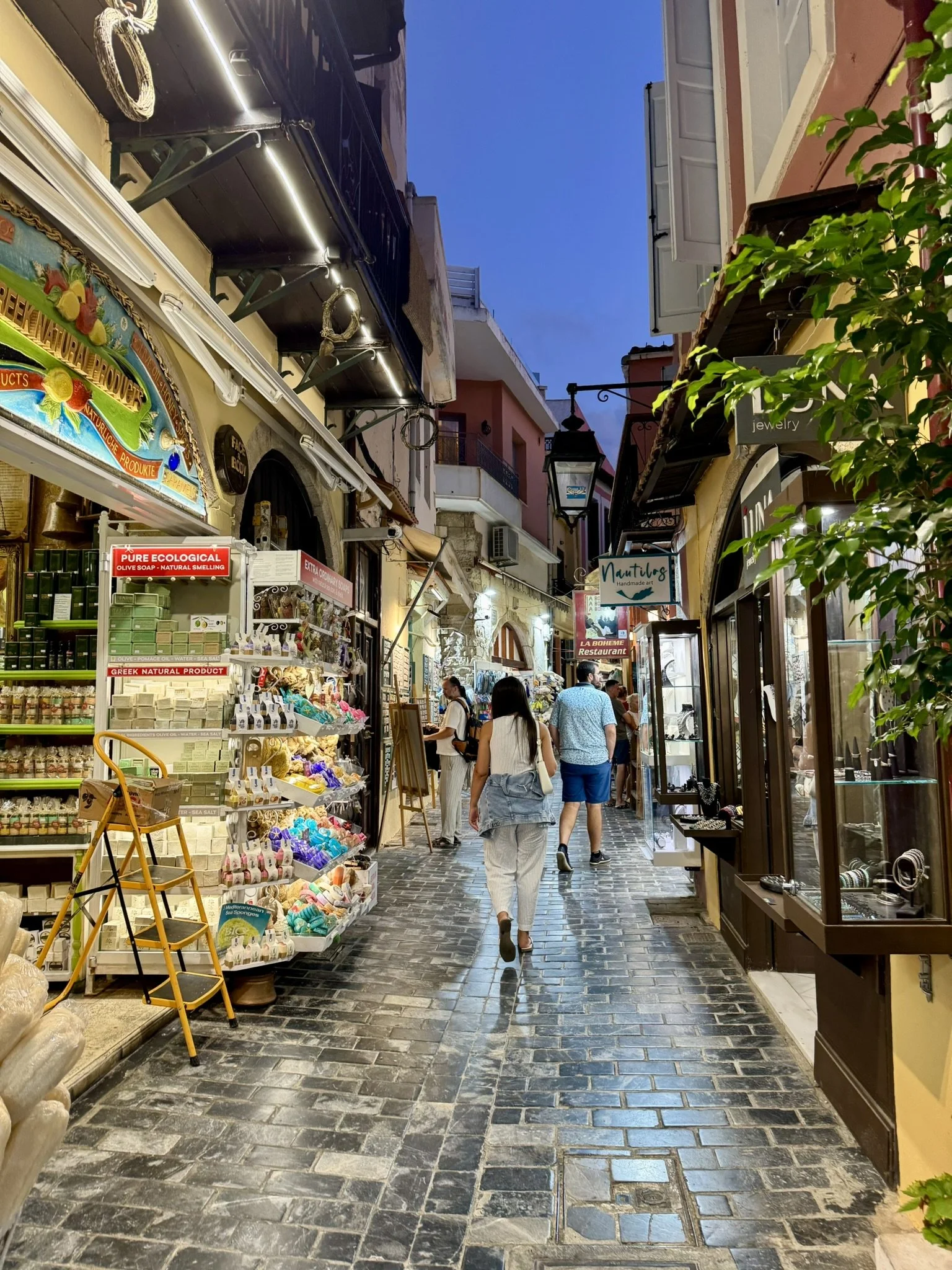
Rethymno is a coastal town that effortlessly blends layers of history with a relaxed, contemporary vibe. Its heart is the enchanting Old Town, a maze of narrow cobblestone alleys lined with pastel-colored buildings, bougainvillea-draped balconies, and a mix of Venetian and Ottoman architecture. As you wander, you’ll come across elegant arched doorways, hidden courtyards, and lively squares filled with cafés and small shops.
Dominating the skyline is the impressive Fortezza of Rethymno, a 16th-century fortress offering sweeping views over the town and the sea. Near the water, the picturesque Venetian Harbor is lined with waterfront restaurants and anchored by a charming lighthouse, which becomes especially atmospheric at sunset. Beyond its historic core, Rethymno has a long sandy beach stretching eastward, where the pace slows and the Mediterranean takes center stage.
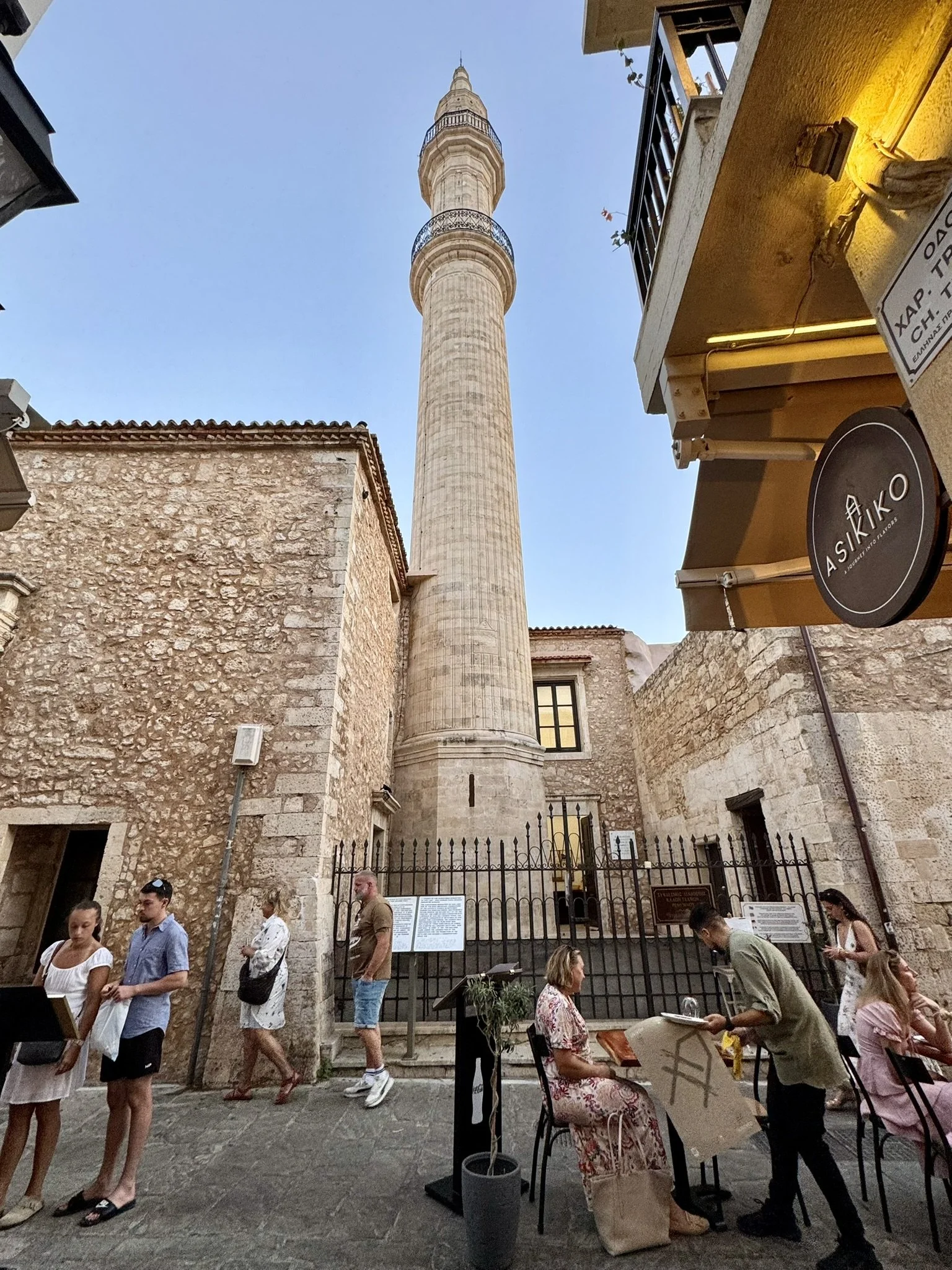
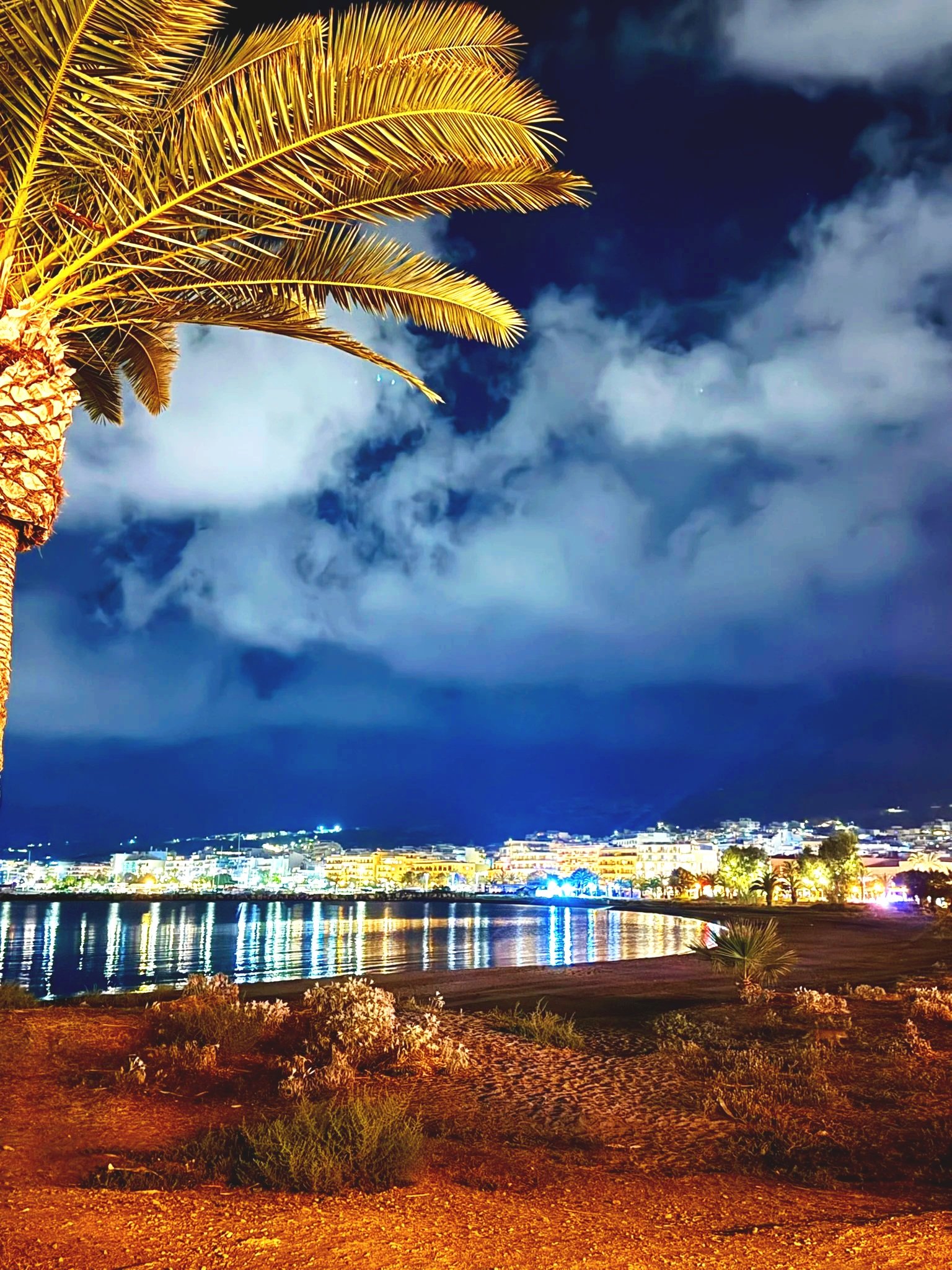
By late afternoon, we arrived to check into our apartment and unwind. As the sun set, we headed into the Old Town for dinner at Rakodikio. Eating there felt like stepping into another century: the Cretan dishes were full of soul, and the Neratze Mosque tower rose above us like a quiet, ancient guardian. The scene was magical.
Day 5 - Explore Kourtaliotiko Gorge, Preveli Beach & Plakias
After a quick visit to the local supermarket for some croissants, tiropitas (Greek cheese pies), and coffee, we enjoyed a classic breakfast on our balcony. We had beautiful, seafront views of the Aegean Sea, with the town of Rethymno to our left and the mountains rising beyond it. We easily could have stayed there all morning, but we had another adventurous day planned ahead.
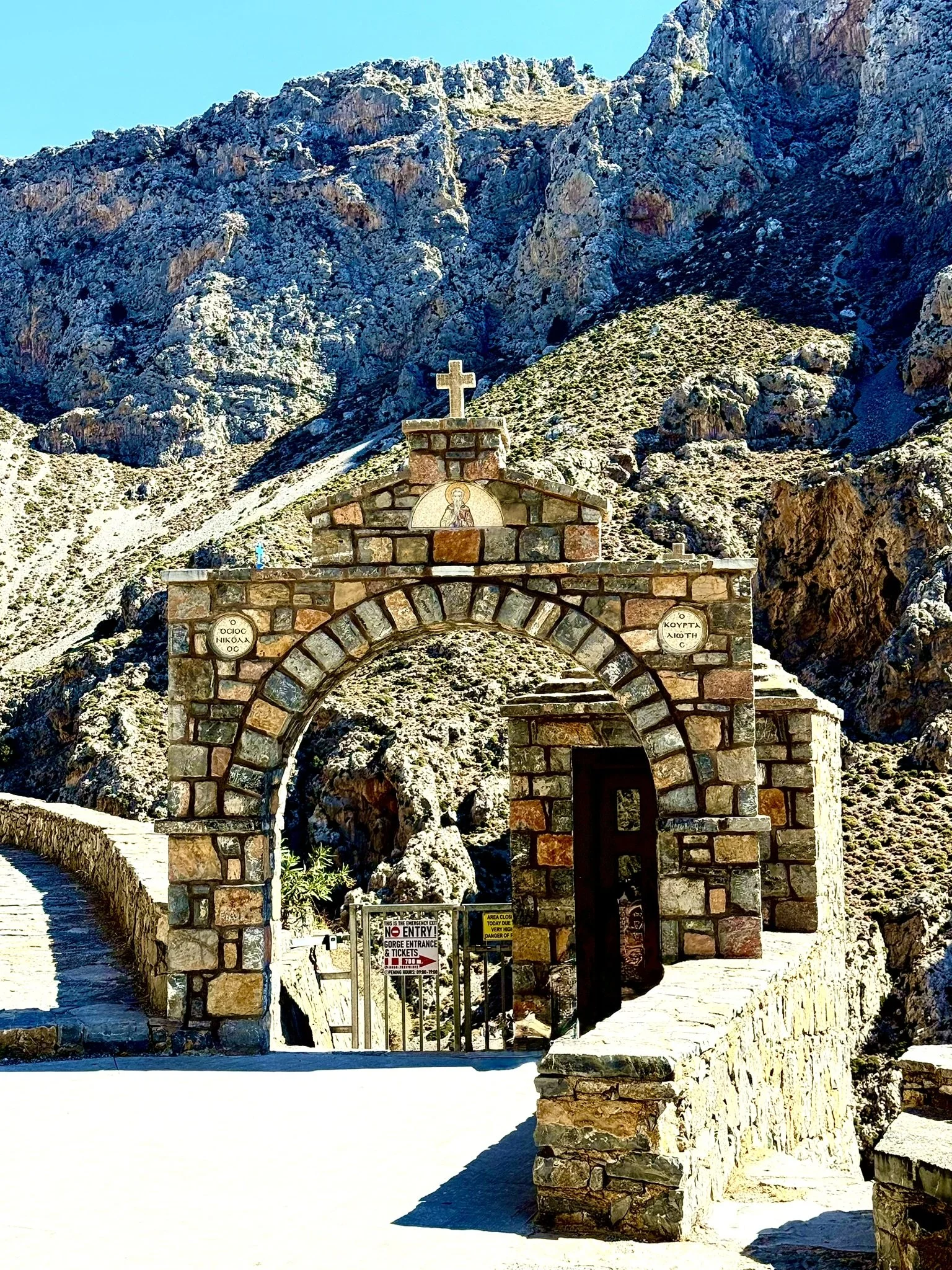
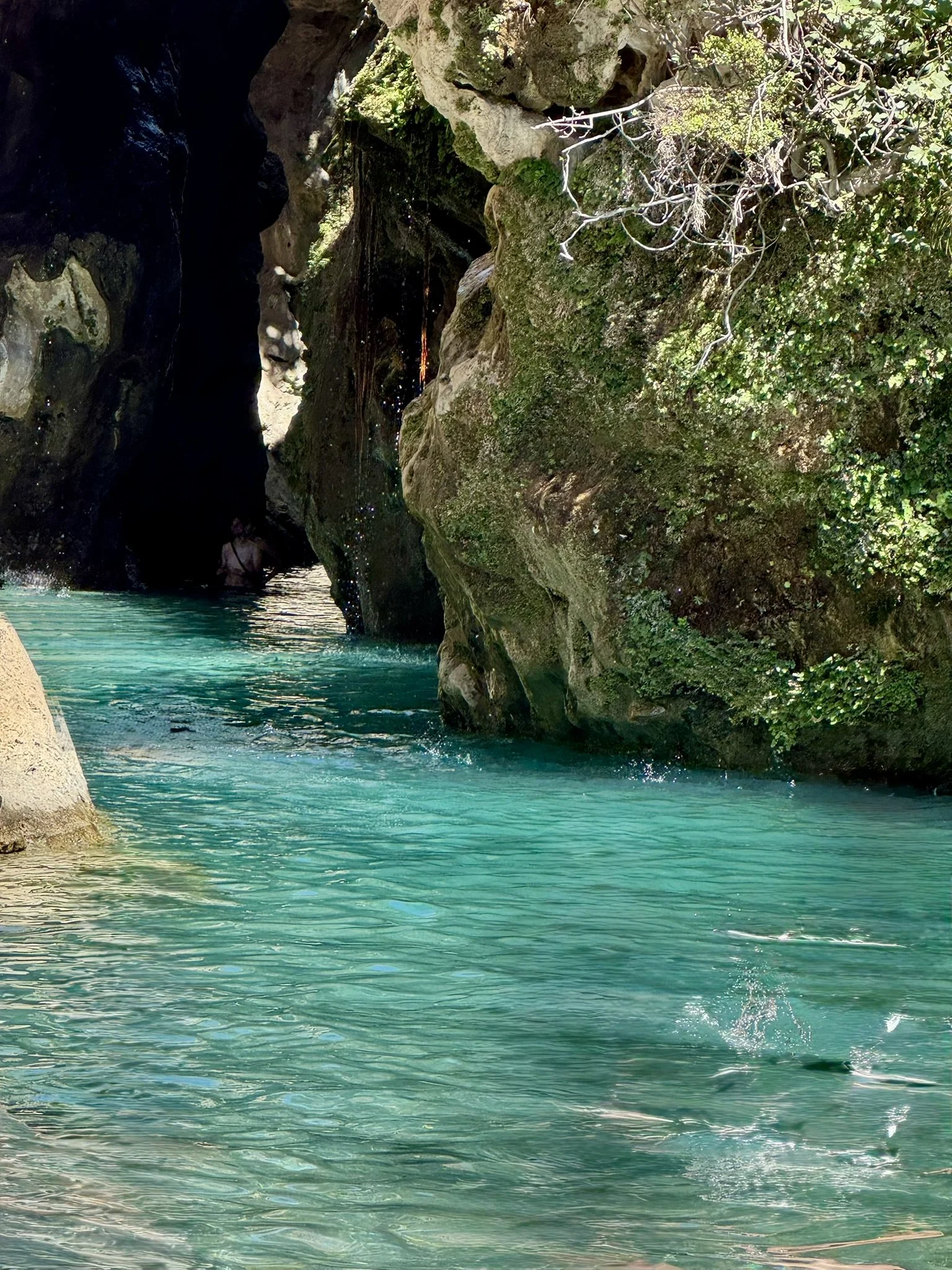
We headed south of Rethymno toward the dramatic Kourtaliotiko Gorge, where towering cliffs and winding roads made for one of the most scenic drives in Crete. There is parking available up the hill from the gorge path for around 10 euros. To get to this lot, you take a direct exit right off the highway, and once you work your way back down the hill on foot, you cross the highway to reach the gorge entrance, where you pay a small admission fee. As you walk down the steps, the air carries the soft, lingering scent of Greek mountain tea growing naturally along the cliffsides, adding to the peaceful atmosphere. At the bottom, a beautiful waterfall awaits, though reaching it requires wading through the freezing river—refreshing and adventurous all at once. Depending on when you visit, it can get quite busy down by the river, and water shoes would have been incredibly helpful for navigating the rocky water.
After exploring the gorge, we drove to the seaside village of Plakias for lunch. Nestled between mountains to the north and the Libyan Sea to the south, the village gets its name from the Greek word for "flat"—a funny irony, given that the approach and coastline are spectacularly mountainous and dramatic. We had a wonderful lunch right along the water at Alianthos Seaside Restaurant, enjoying fresh Mediterranean dishes. The sheer natural beauty of Plakias just makes you feel happy and content.
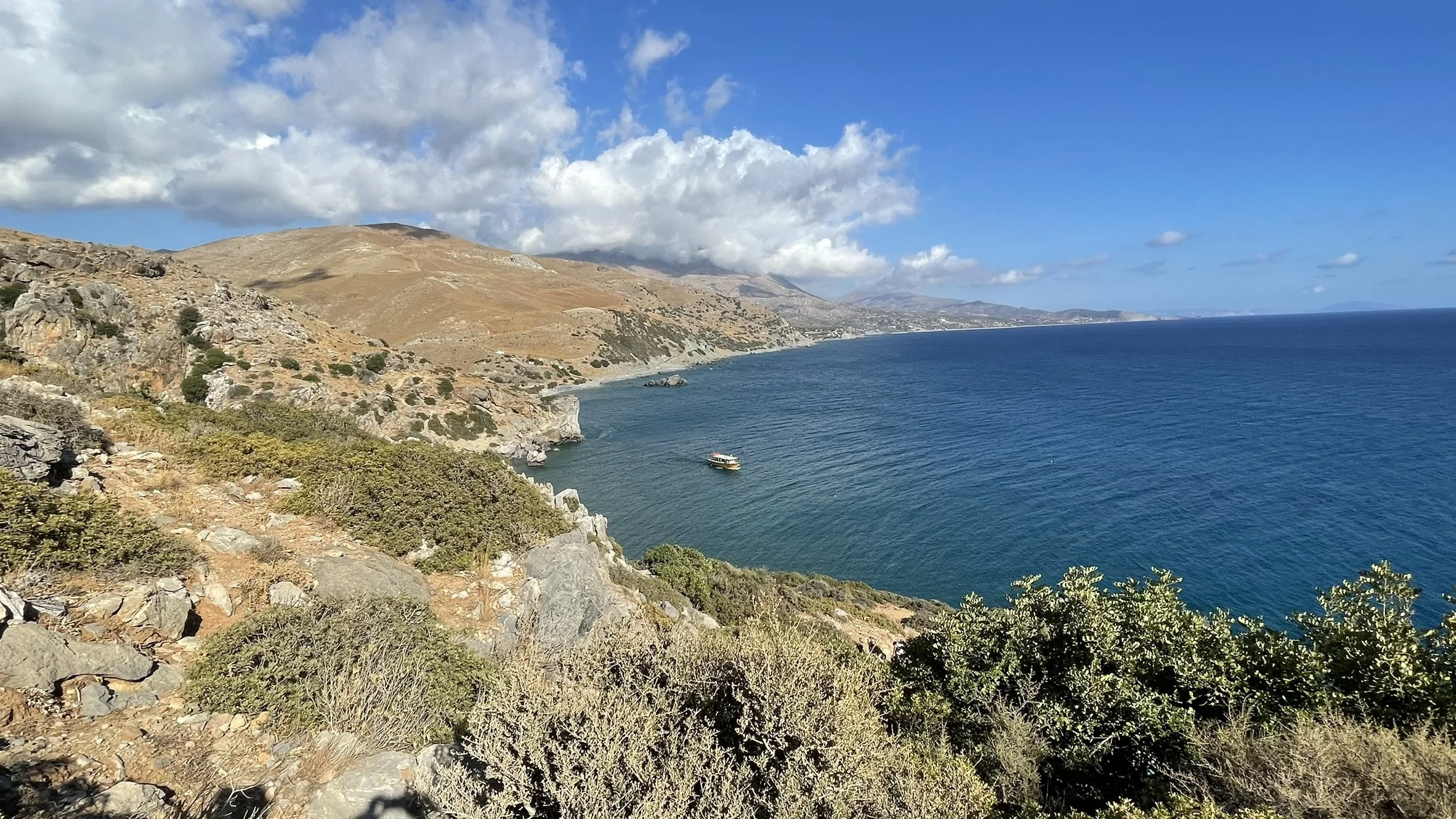
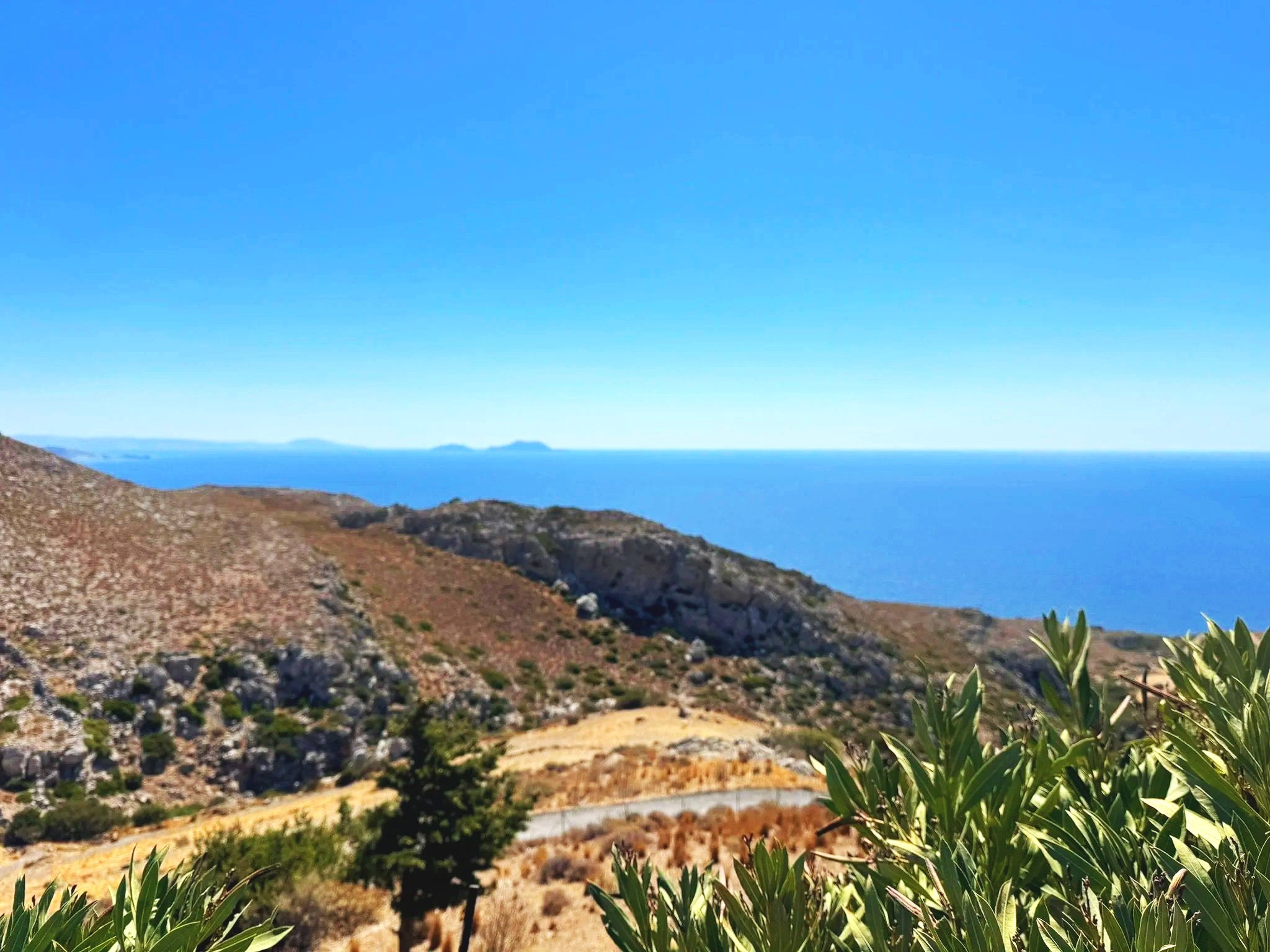
In the afternoon, we made our way to Preveli Beach. A quick piece of advice for this one: wear good, supportive shoes, and if you have mobility issues, it's best to skip the hike. The trek down to the shore is fairly rough and steep, though the stunning panoramic views from halfway down make the effort completely worthwhile if you are able to manage it. The beach itself was a bit underwhelming—small, rocky, and crowded—and the sea was freezing due to the freshwater river emptying into it. However, walking through the exotic palm trees, following the garden path, and taking in the views on the climb down made it a must-experience highlight of the trip.
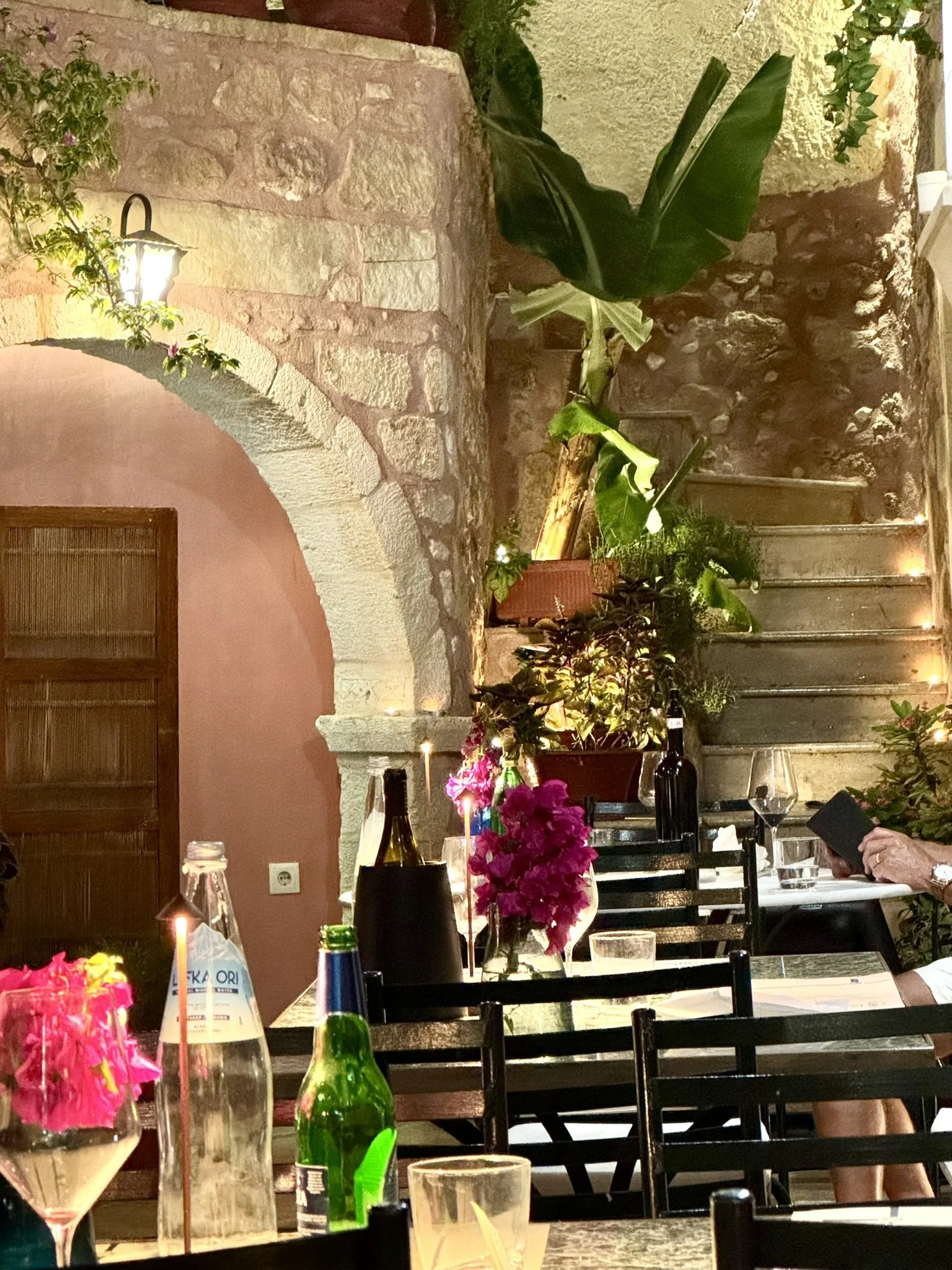
We drove back to Rethymno mesmerized by the wonders and beauty of Crete's southern coast. We ended the day with a special birthday dinner celebration at Veneto, an elegant restaurant set inside a stunning 15th-century building. It was the perfect, memorable setting to wrap up an incredible day.
Day 6: Visit Preveli Monastery, Relax at Plakias Beach & Return to Rethymno
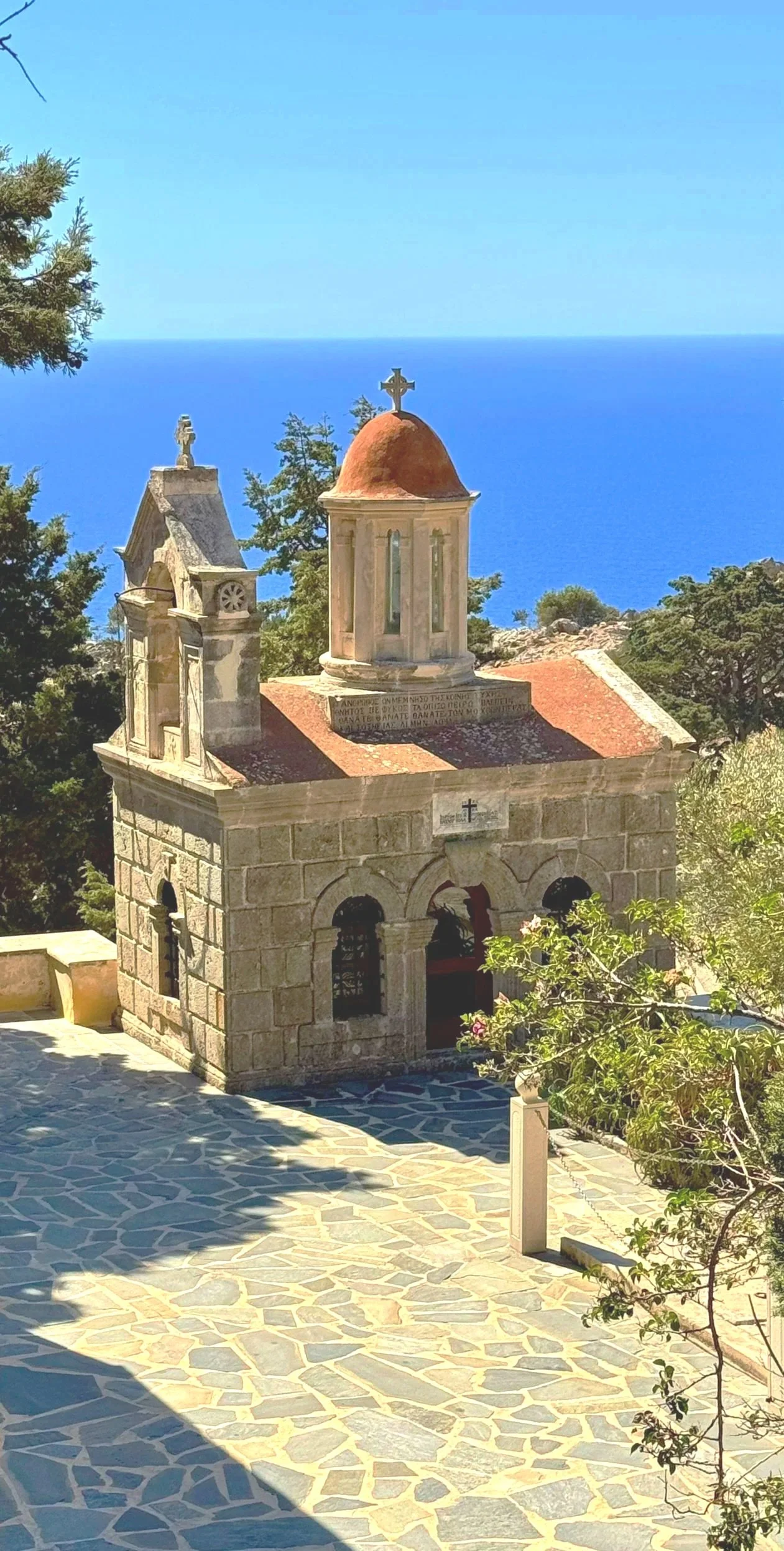
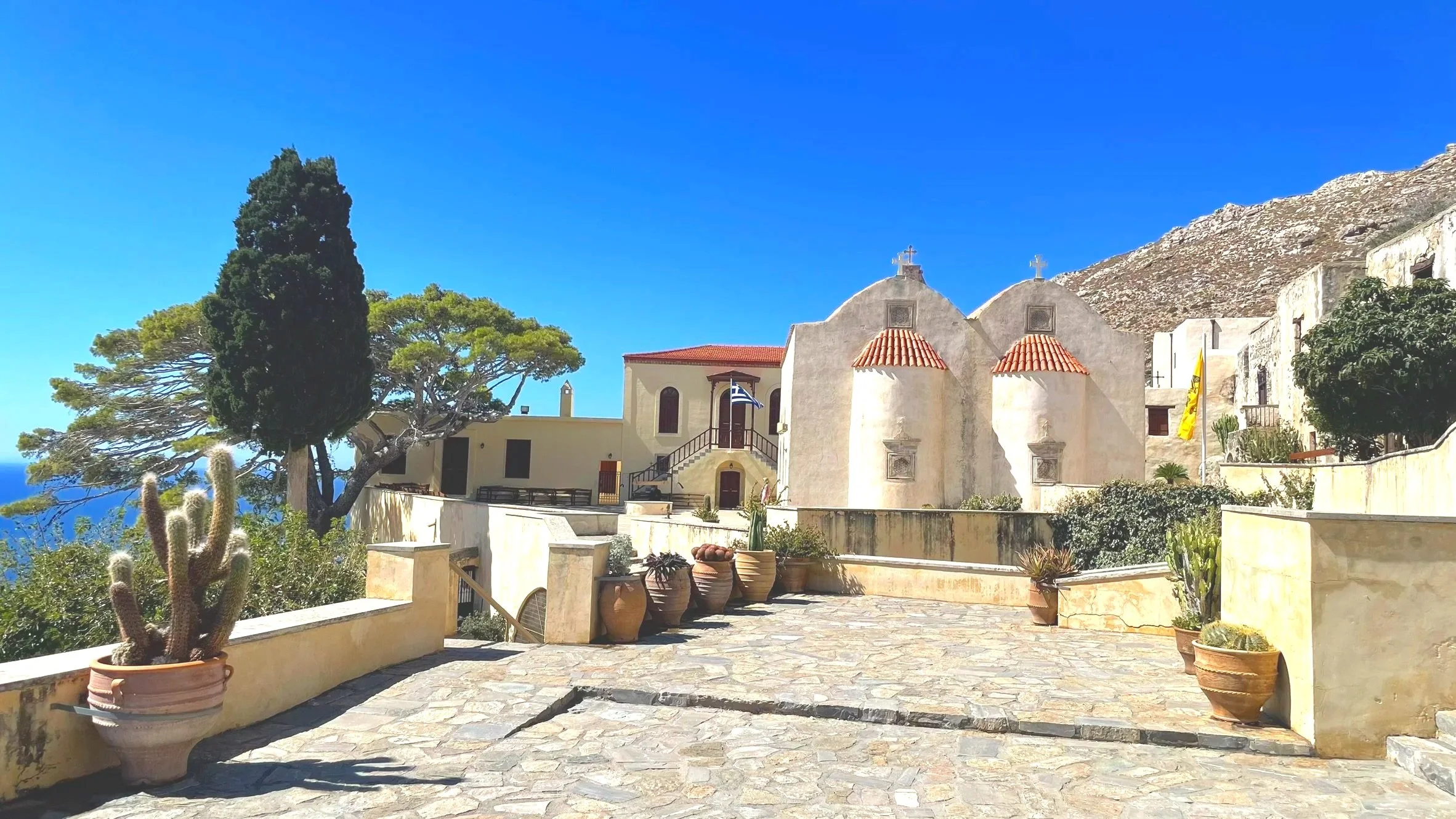
We started the day with a visit to Preveli Monastery, a peaceful hilltop complex overlooking the Libyan Sea. Rich in history and surrounded by dramatic mountain scenery, the monastery offered stunning panoramic views of the coastline below. Walking through the quiet courtyards and stone pathways created a calm and reflective atmosphere, making it one of the most serene stops of the trip.
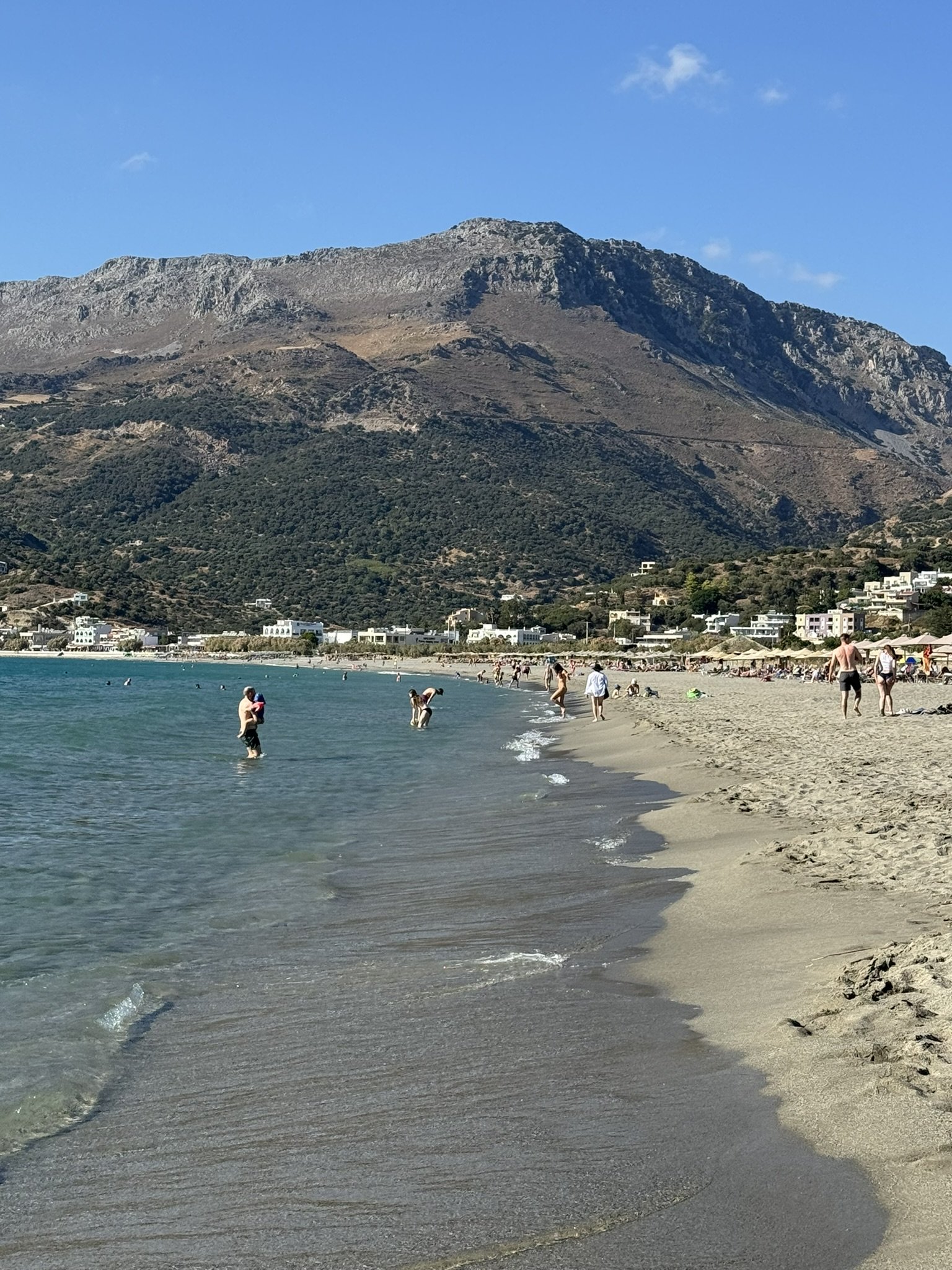
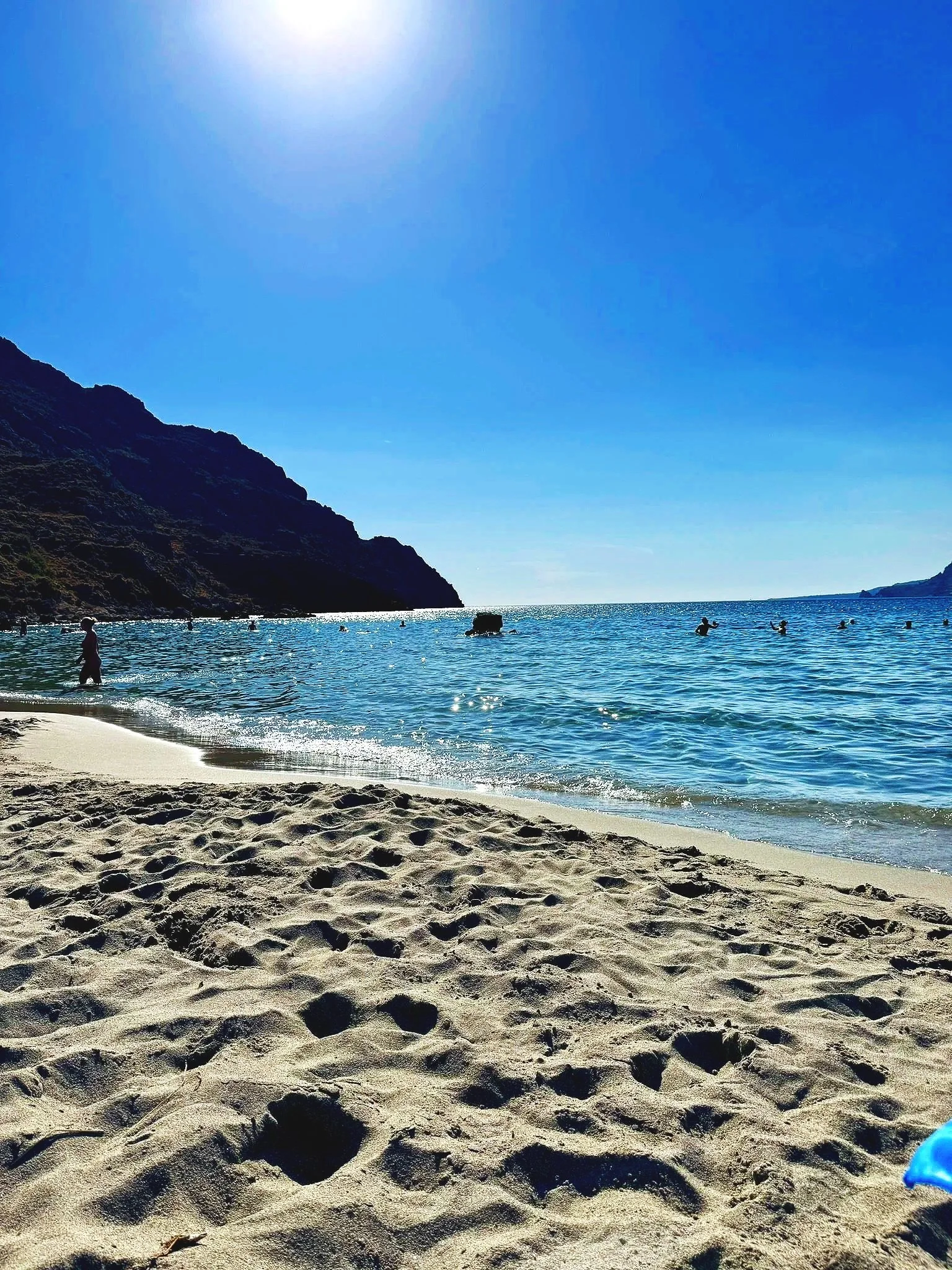
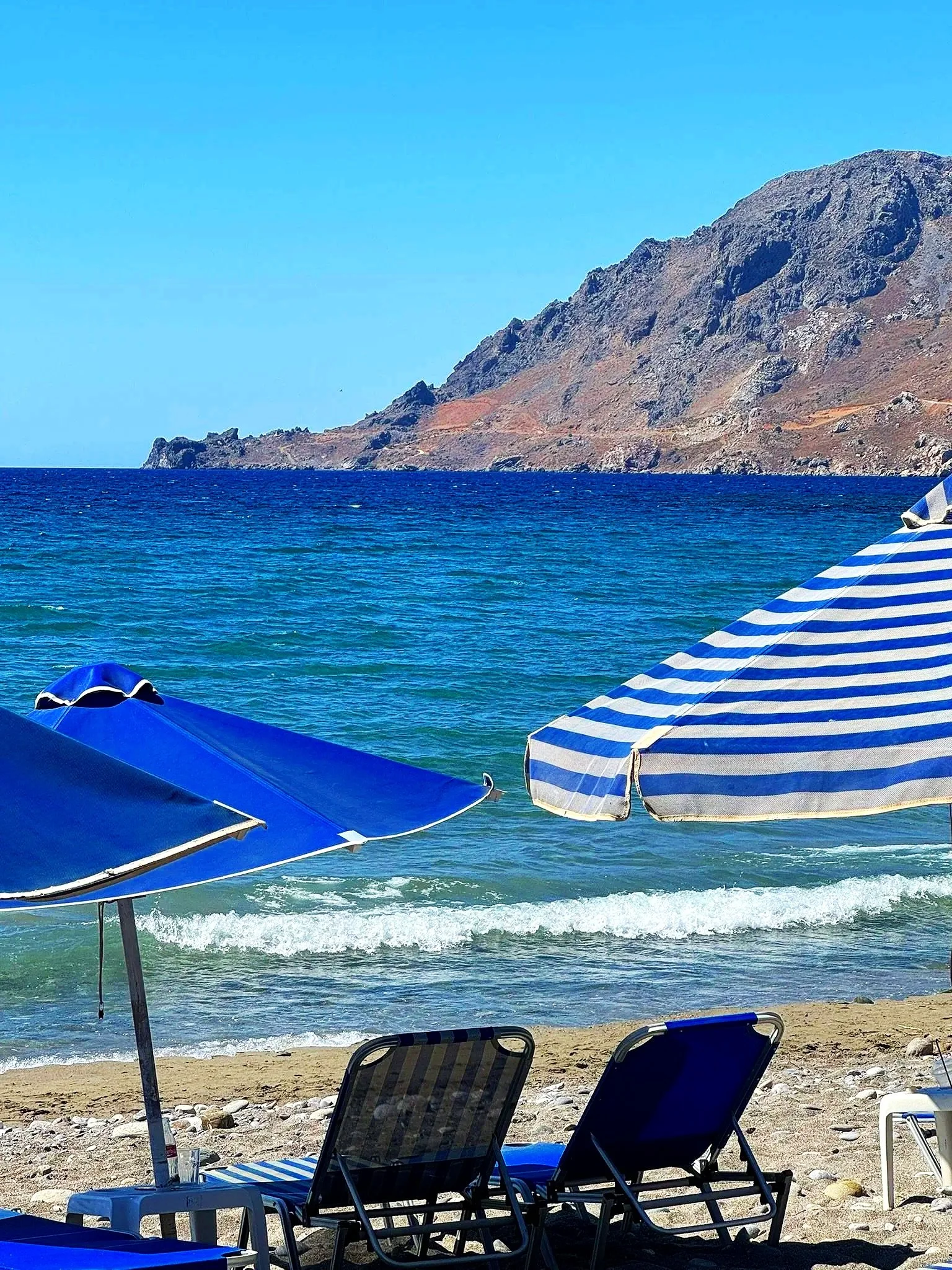
After exploring the monastery, we returned to Plakias Beach for a slower, more relaxing afternoon by the sea. Compared to some of the more rugged beaches in Crete, Plakias felt calm and easygoing with its long stretch of shoreline, clear turquoise water, hot sun, and beautiful mountain backdrop. The beachfront promenade was lined with tavernas and cafés, giving the area a laid-back coastal charm.
As we walked toward the left side of the beach, the long sandy shoreline gradually curved toward dramatic rocky cliffs and darker hillsides, giving that end of the bay a more secluded atmosphere. The beach became less crowded as it stretched outward, with fewer umbrellas and more open space. The contrast between the golden sand, deep blue water, and the steep mountains rising directly behind the coast made that side especially scenic. Spending the afternoon there gave us the chance to fully enjoy the peaceful atmosphere, swim in the warmer water, and take in one more beautiful sunset along the southern coast of Crete.
We enjoyed a wonderful traditional Greek dinner back in Rethymno at Bakalogatos.
Of note, while we literally had a beach right in front of our apartment in Rethymno, we chose to head to the south coast both days for the amazing beaches and dramatic scenery. However, we were always back for dinner in the evening, thoroughly enjoying Rethymno's streets, restaurants, and overall vibe. It really gave us the best of both worlds, day and night.
Day 7: Explore Margarites Village, Klados Winery & Heraklion
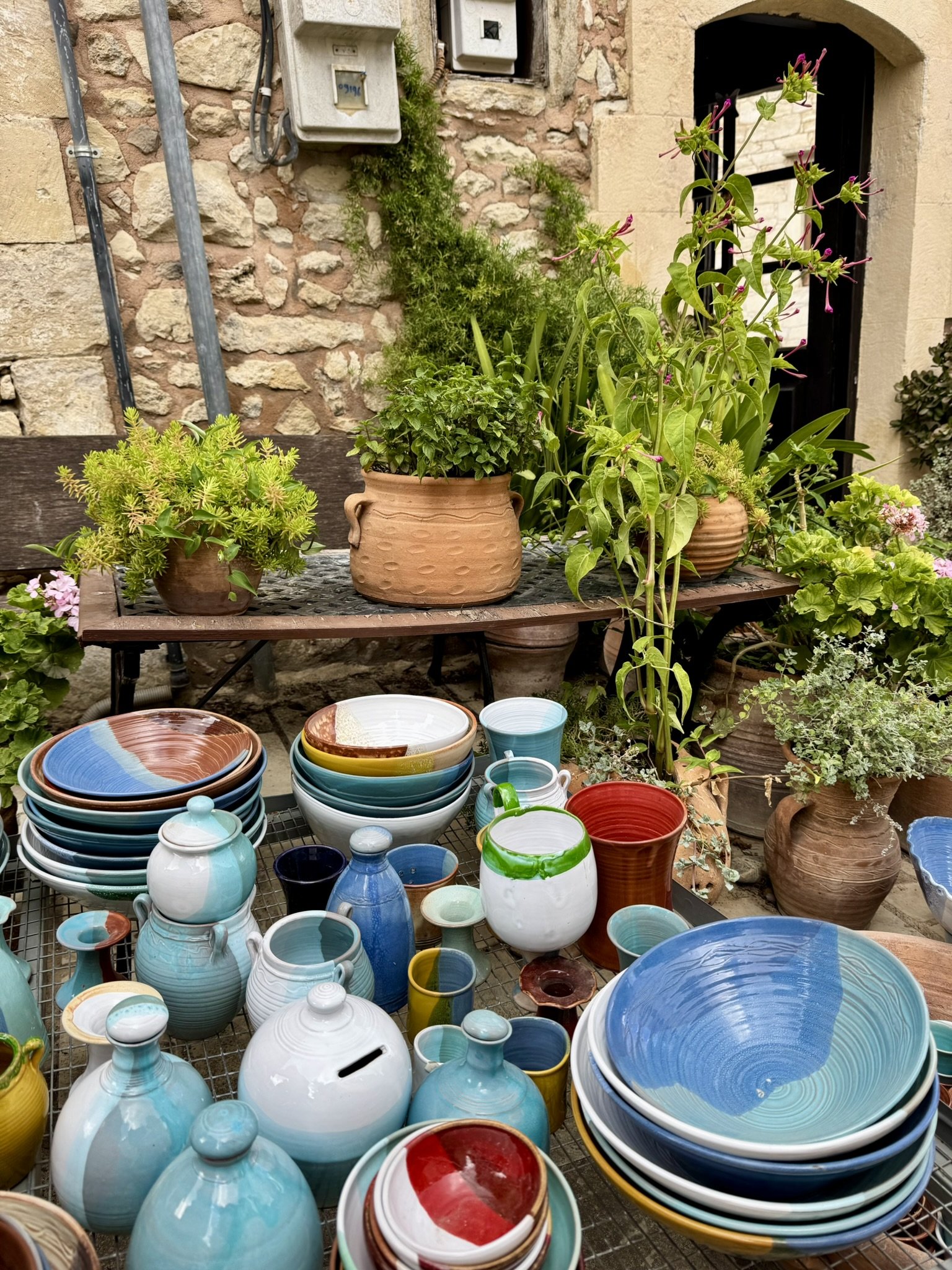
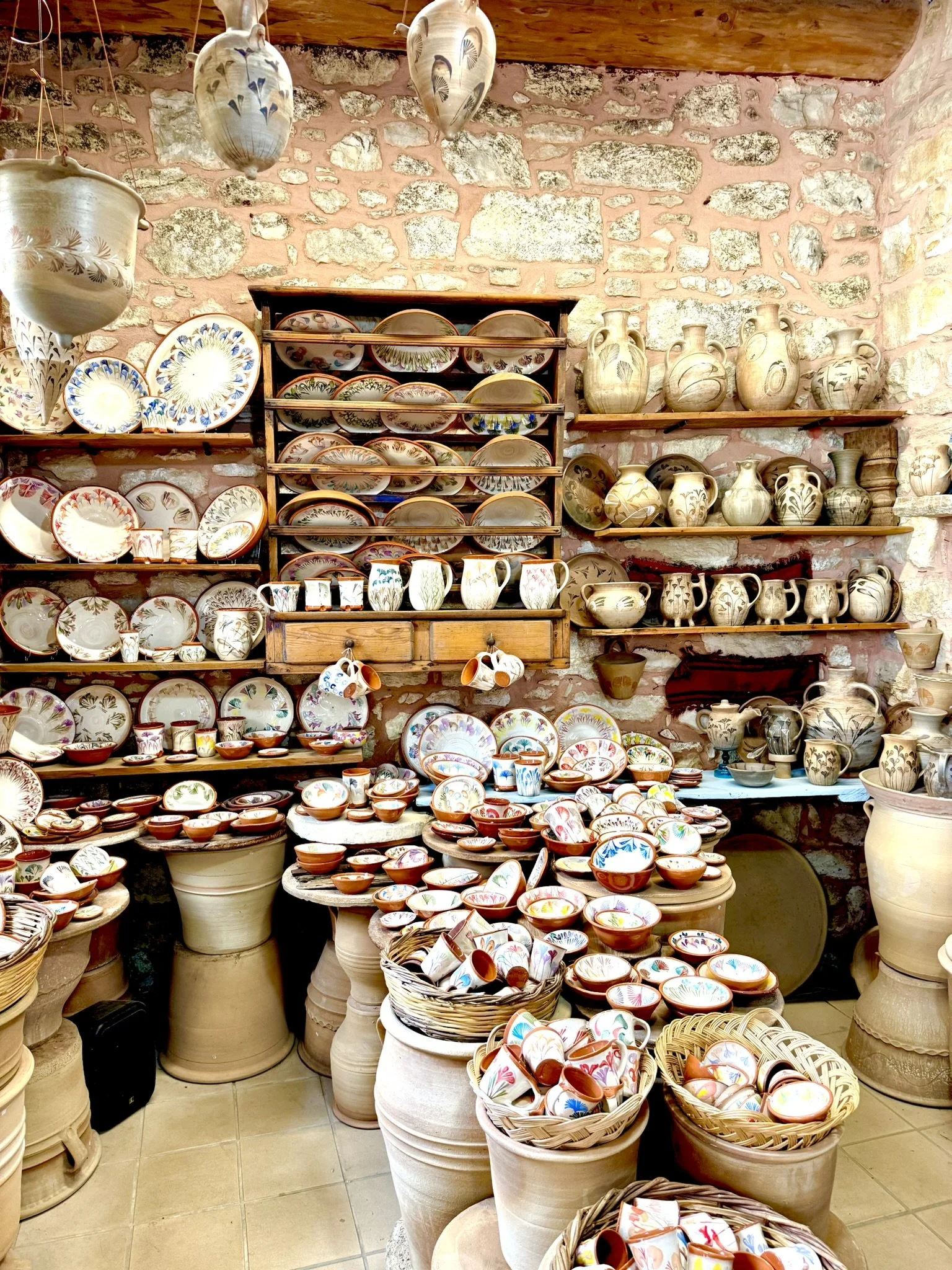
We checked out of Rethymno and headed into the mountains closer to Heraklion, but before going to our hotel, we stopped in the small village of Margarites. Nestled in the hills of the Rethymno region, about 30 minutes southeast of the city, Margarites is famous as Crete's pottery village and stands out as one of the island's most charming cultural stops.
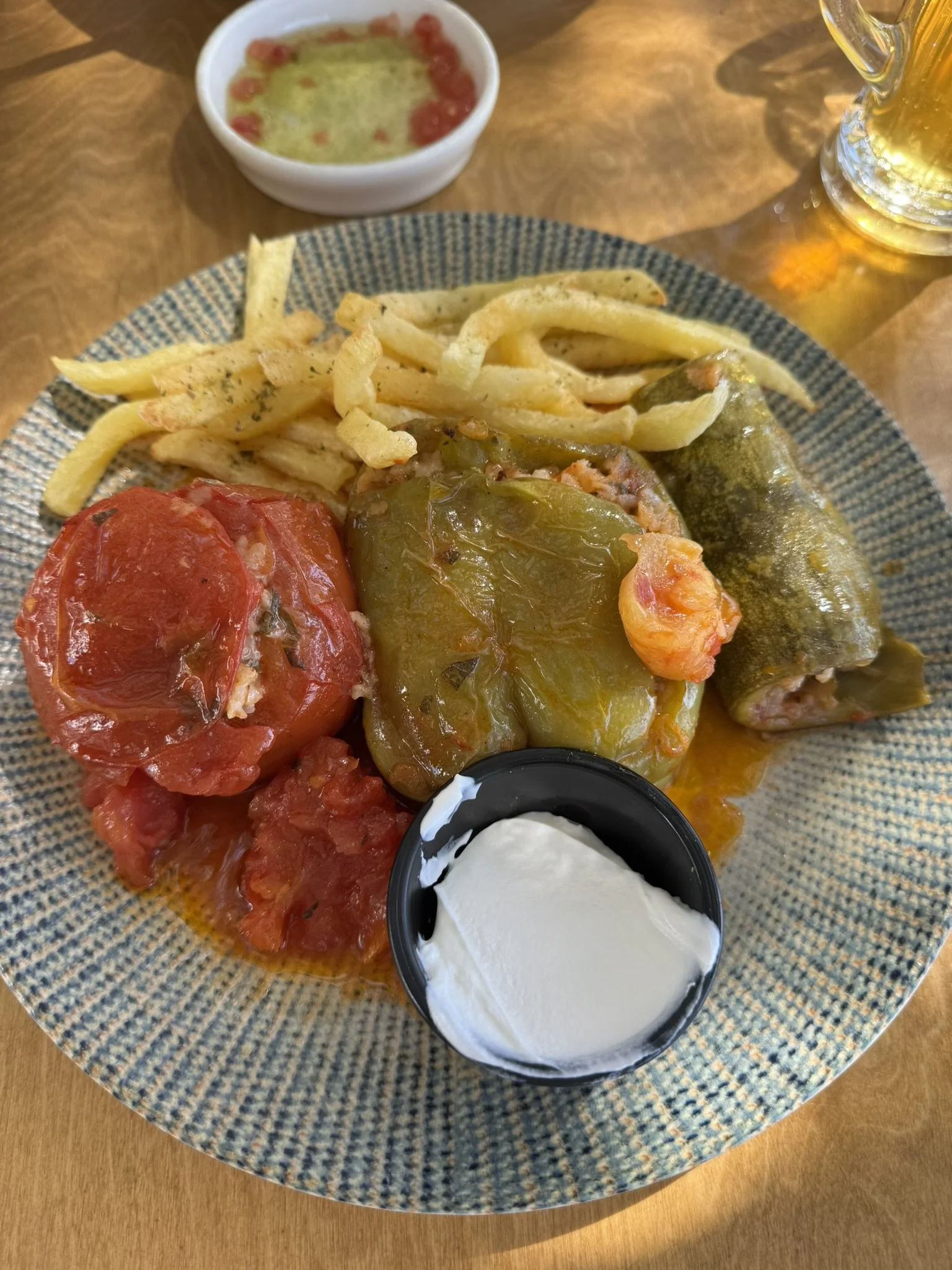
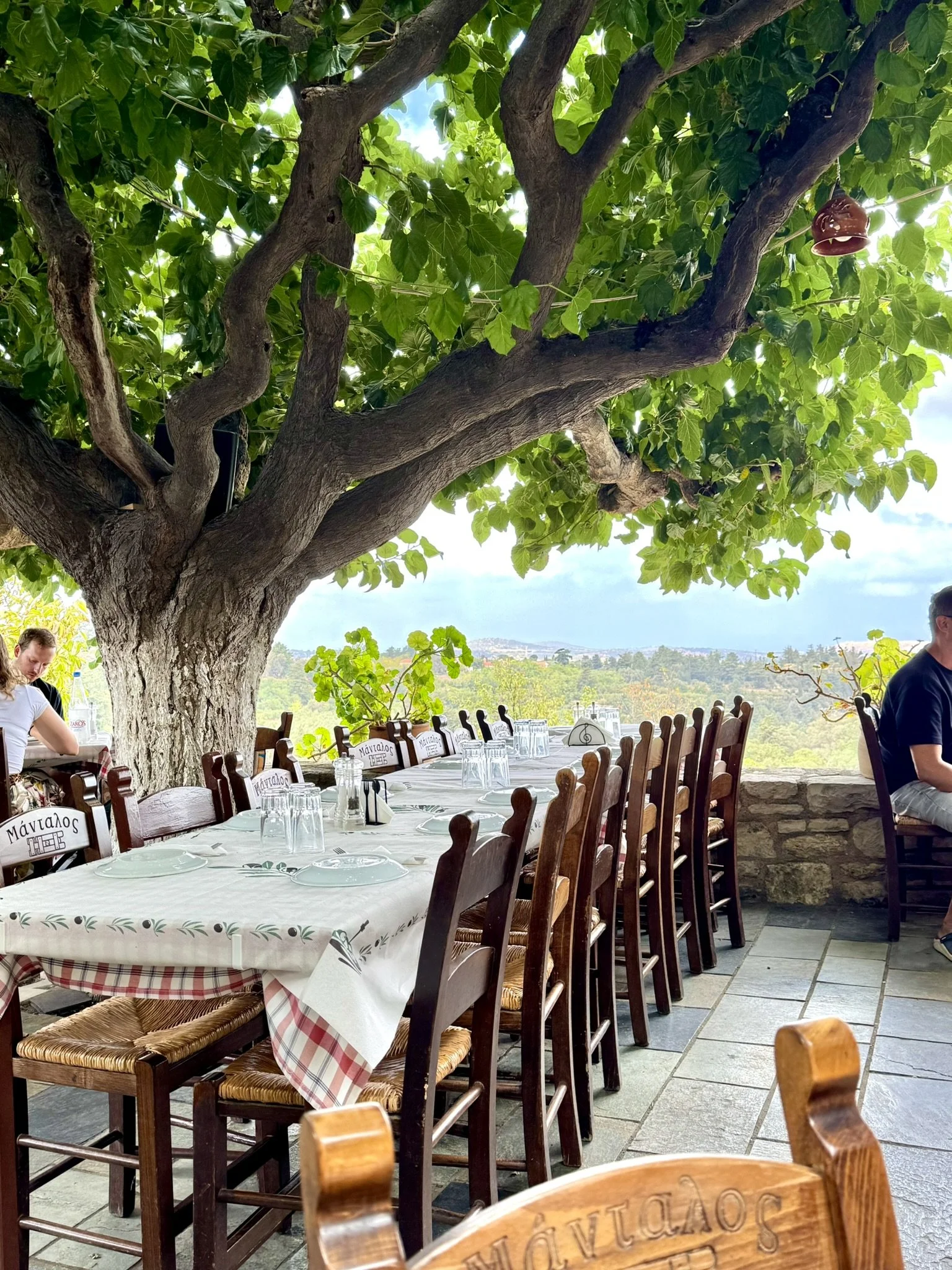
With a population of only a few hundred residents, the village has been producing ceramics since ancient times, with roots reaching back to the Minoan civilization. Families have passed these skills down from generation to generation, and today, more than a dozen workshops continue the craft. We loved watching the artisans shaping clay by hand, painting traditional motifs, and firing pieces in their kilns. After shopping and admiring the pottery, we stopped for lunch at Mántalos, one of the few restaurants in the village. The food, the atmosphere, and the views were something special. For me, that is exactly what makes a restaurant great—an authentic experience that is real, reasonably priced, and unpretentious.
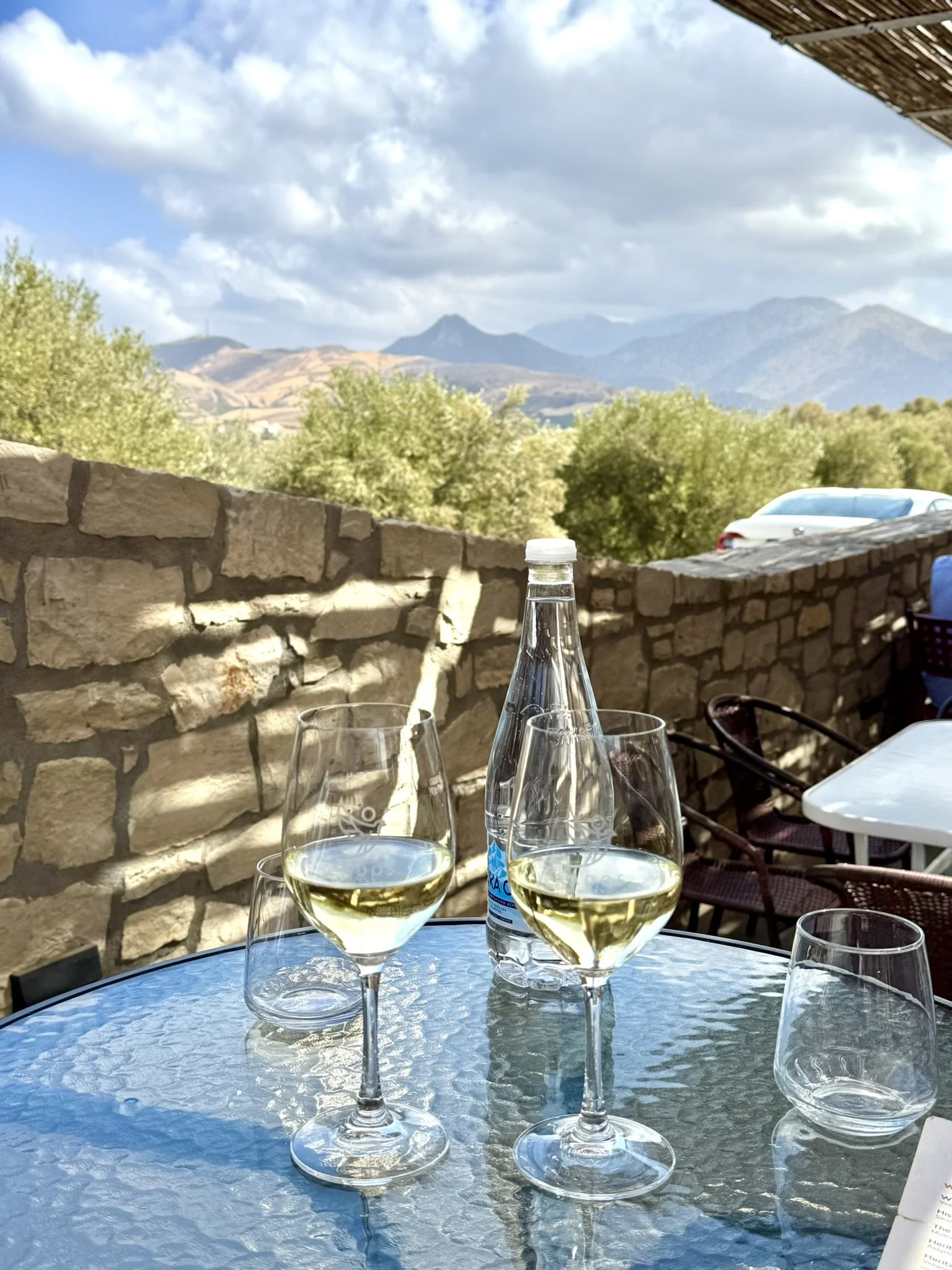
Our next stop was Klados Winery, a family-run, boutique winery that offers excellent wines alongside stunning views over the mountains.
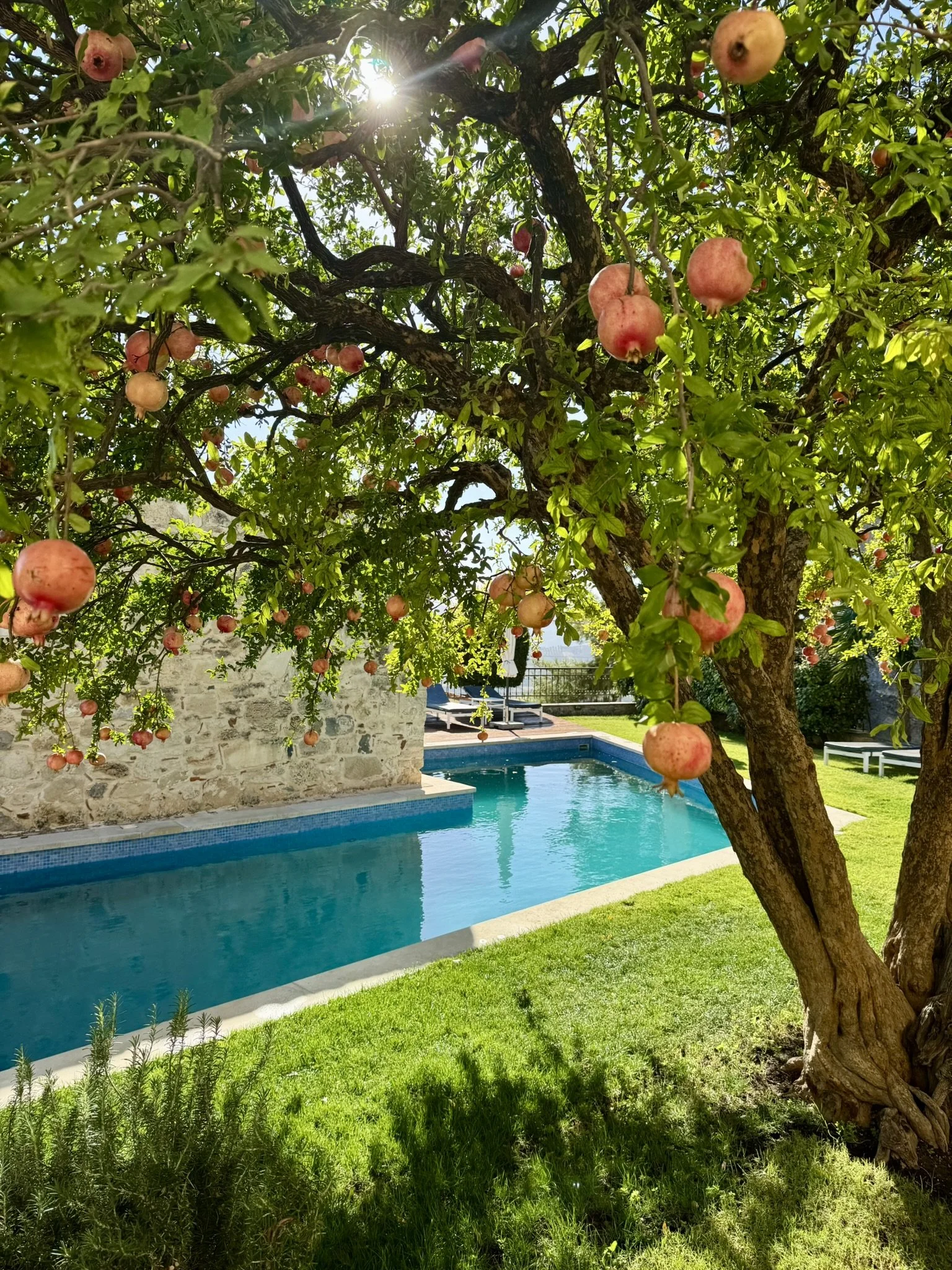
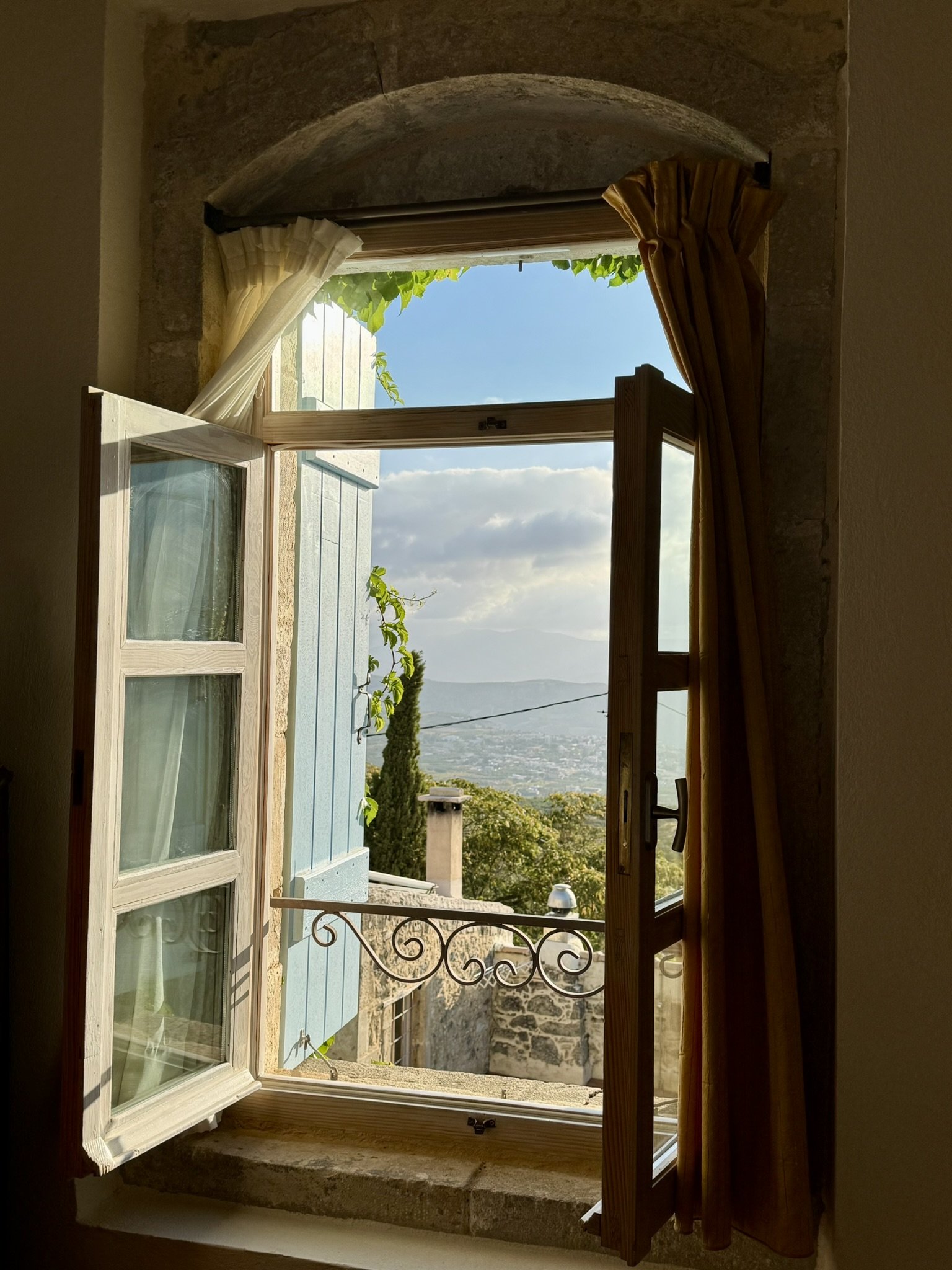
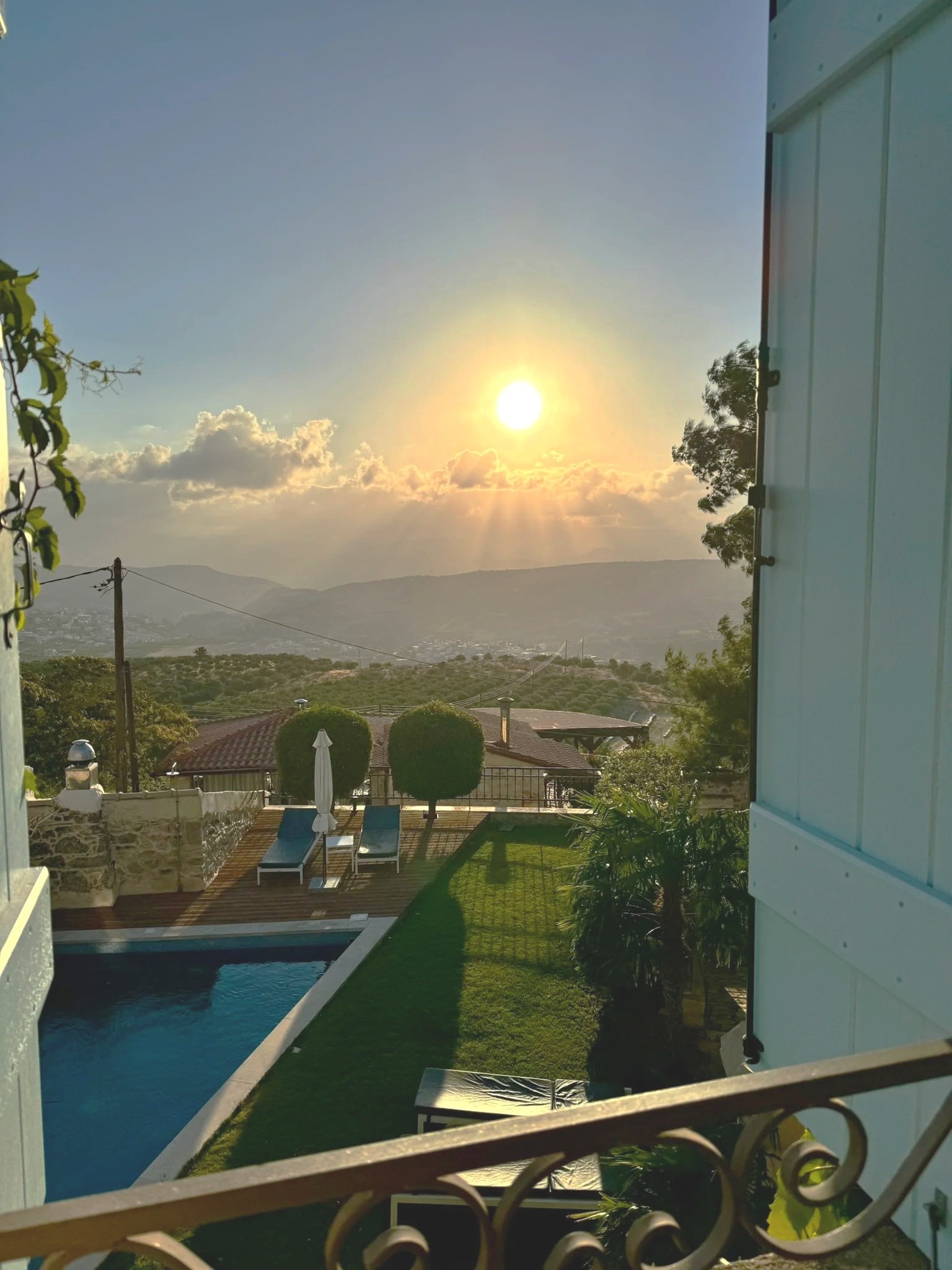
From there, we made our way to our hotel, Villa Kerasia. This charming property is a restored 1700s traditional farmhouse-turned-inn located in the tiny settlement of Vlahiana. Situated 15 kilometers southwest of Heraklion and 580 meters up the foothills of Mount Psiloritis, it offered a peaceful countryside retreat with panoramic valley views. The view from our room was spectacular, though we quickly learned just how remote it was. There were no restaurants nearby, and we definitely needed our rental car to get anywhere. While there was a restaurant right in front belonging to the neighboring hotel, whether it would actually be open was hit-or-miss. Because of that, we ended up driving right into downtown Heraklion both nights for dinner.
Day 8: Explore Matala, the Famous Caves & Beaches
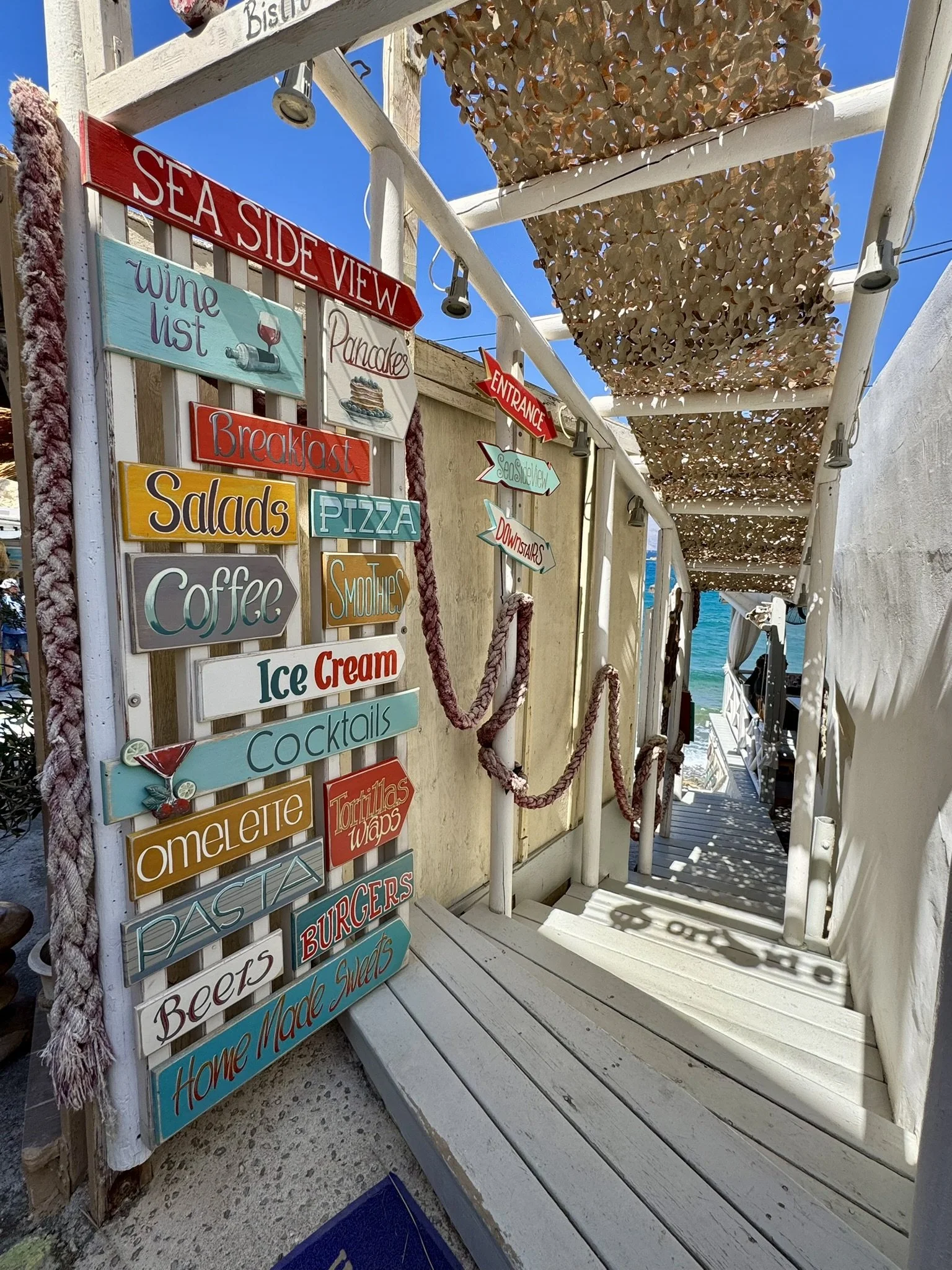
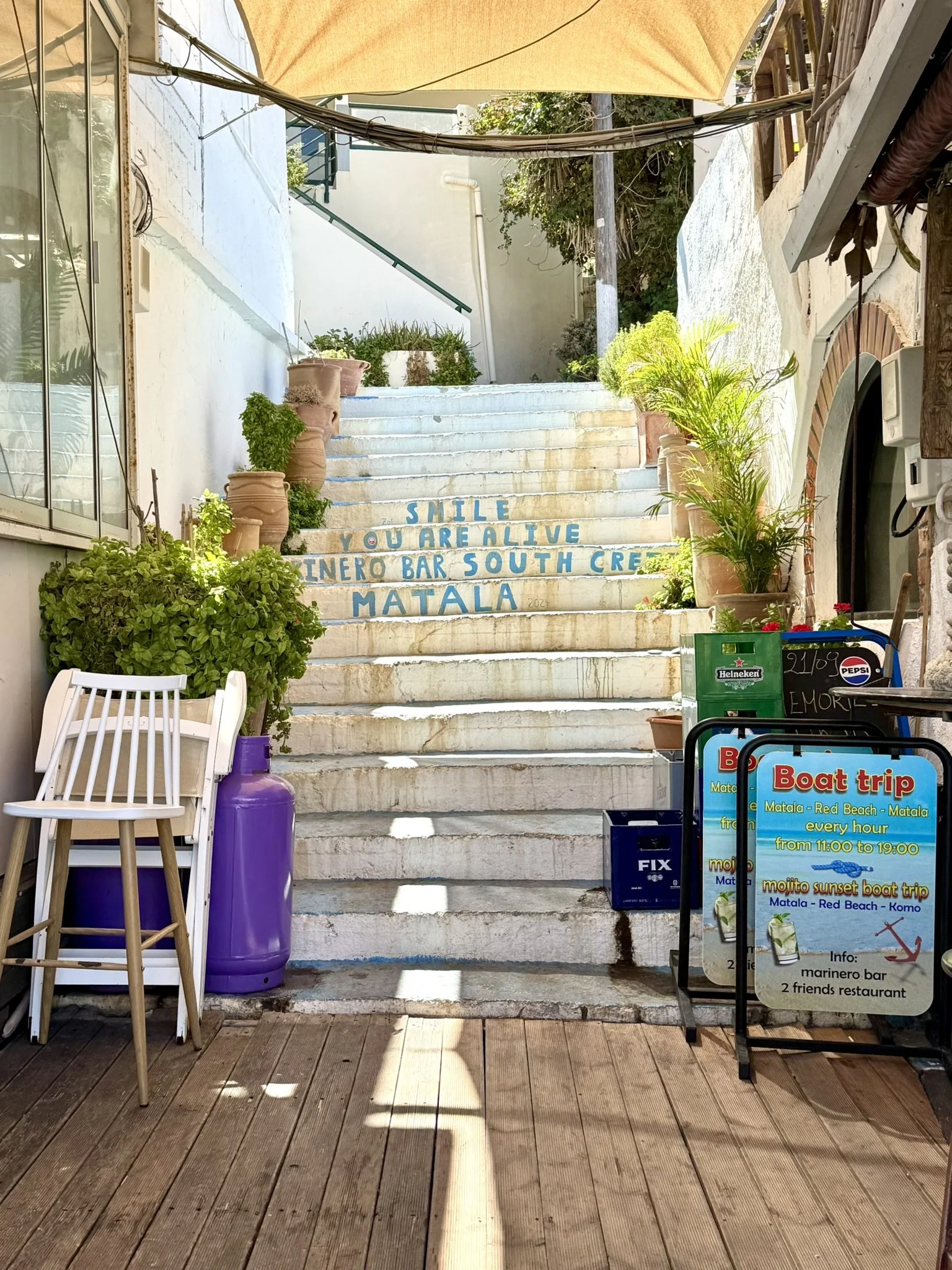
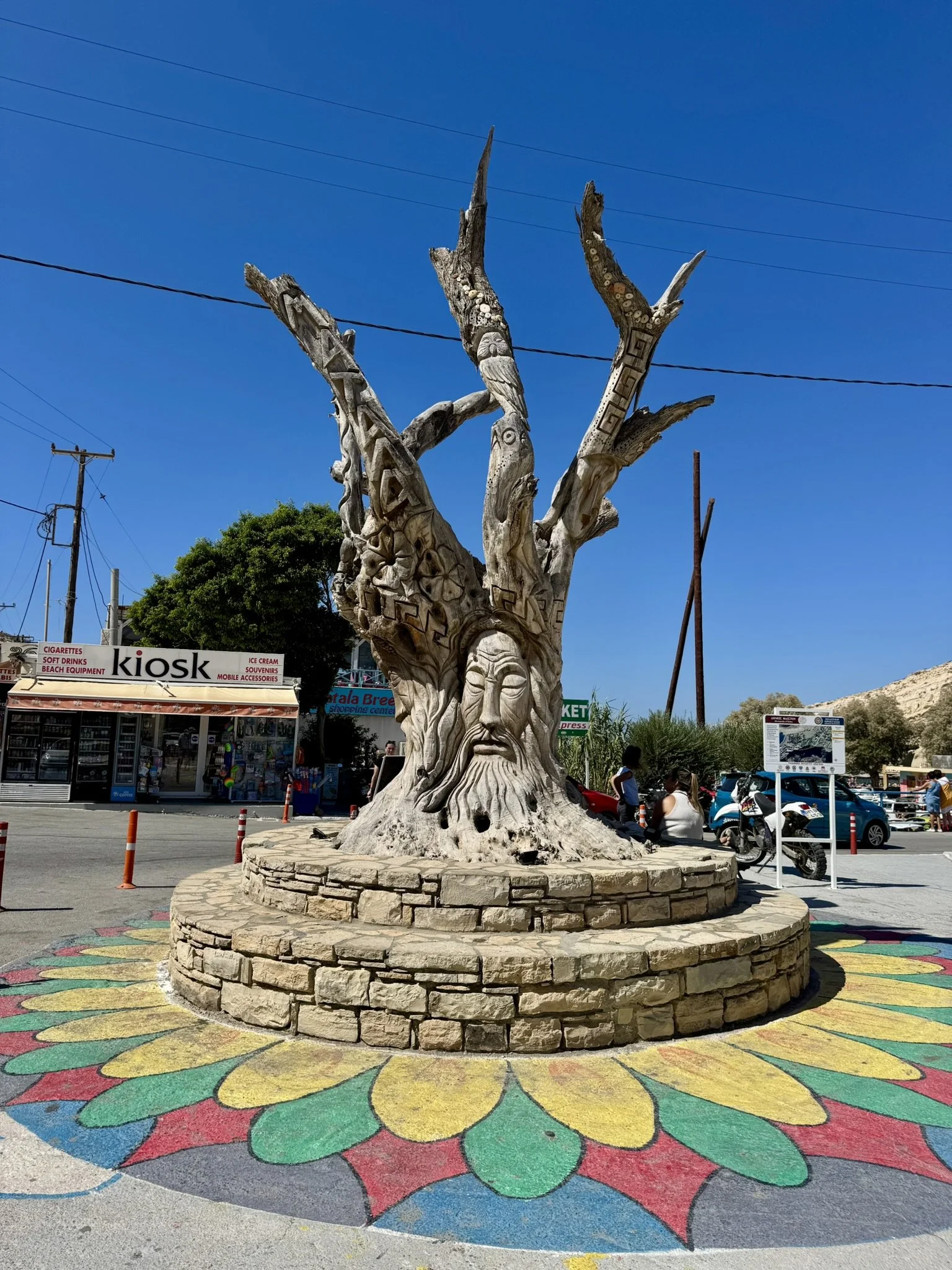
On our final full day in Crete, we went back to the south coast. There is truly something special about the south coast and its beaches. We spent the day in Matala, one of Crete's most unforgettable seaside villages—a place where ancient history and 1960s counterculture unexpectedly collide.
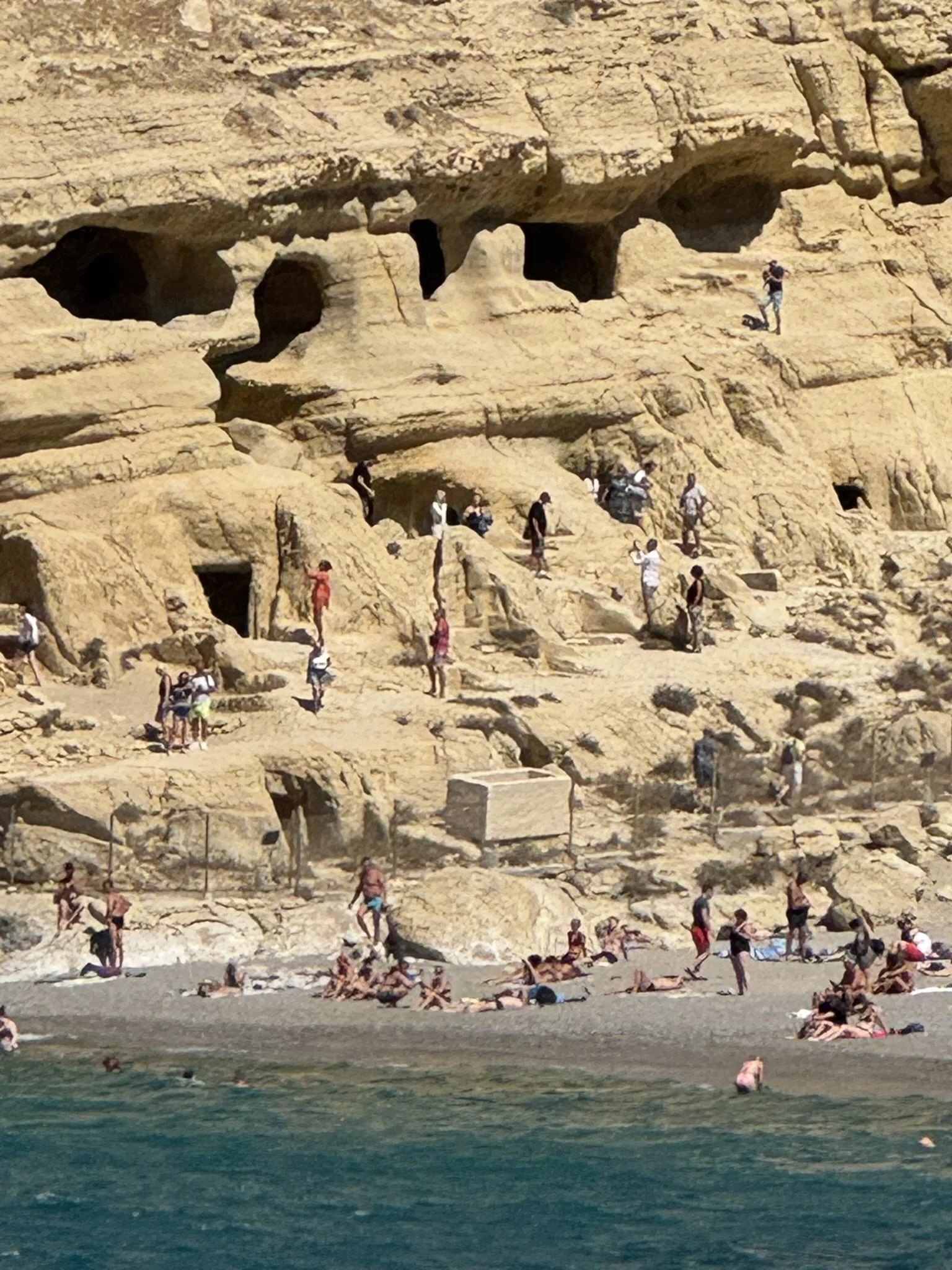
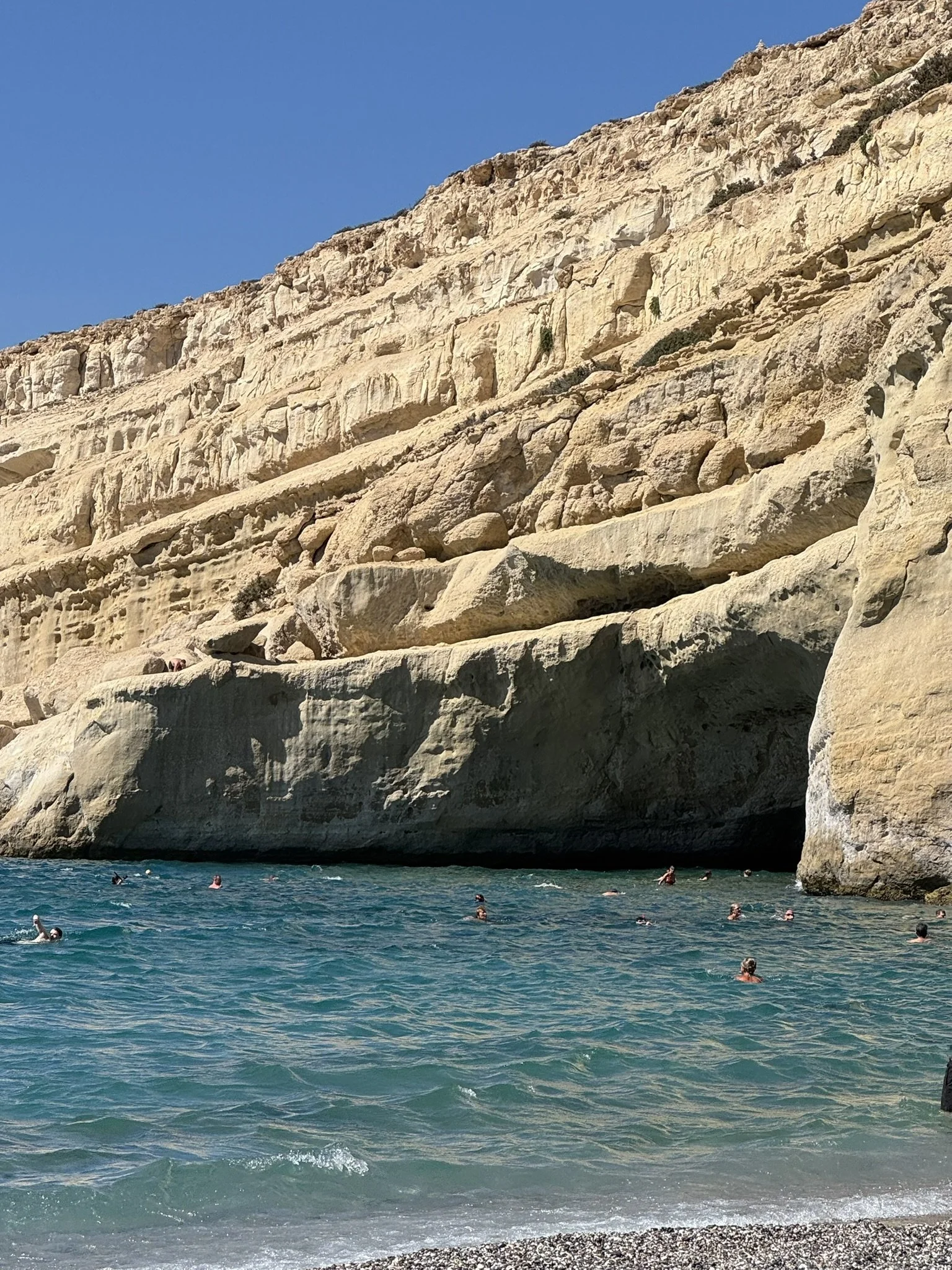
Located on the island's southern shore in the Heraklion region, Matala wraps around a crescent-shaped bay of golden sand and impossibly clear turquoise water. What immediately catches your eye are the honeycomb-like caves carved into the soft limestone cliffs overlooking the beach. These famous caves were carved during the Roman period and were likely used as tombs centuries ago. Today, visitors can climb through the openings to enjoy spectacular views over the Libyan Sea. Standing inside them, it's easy to imagine the many different lives this dramatic coastline has witnessed over the centuries.
Back down at sea level, the village is colorful and relaxed, featuring:
Brightly painted streets decorated with peace signs and murals
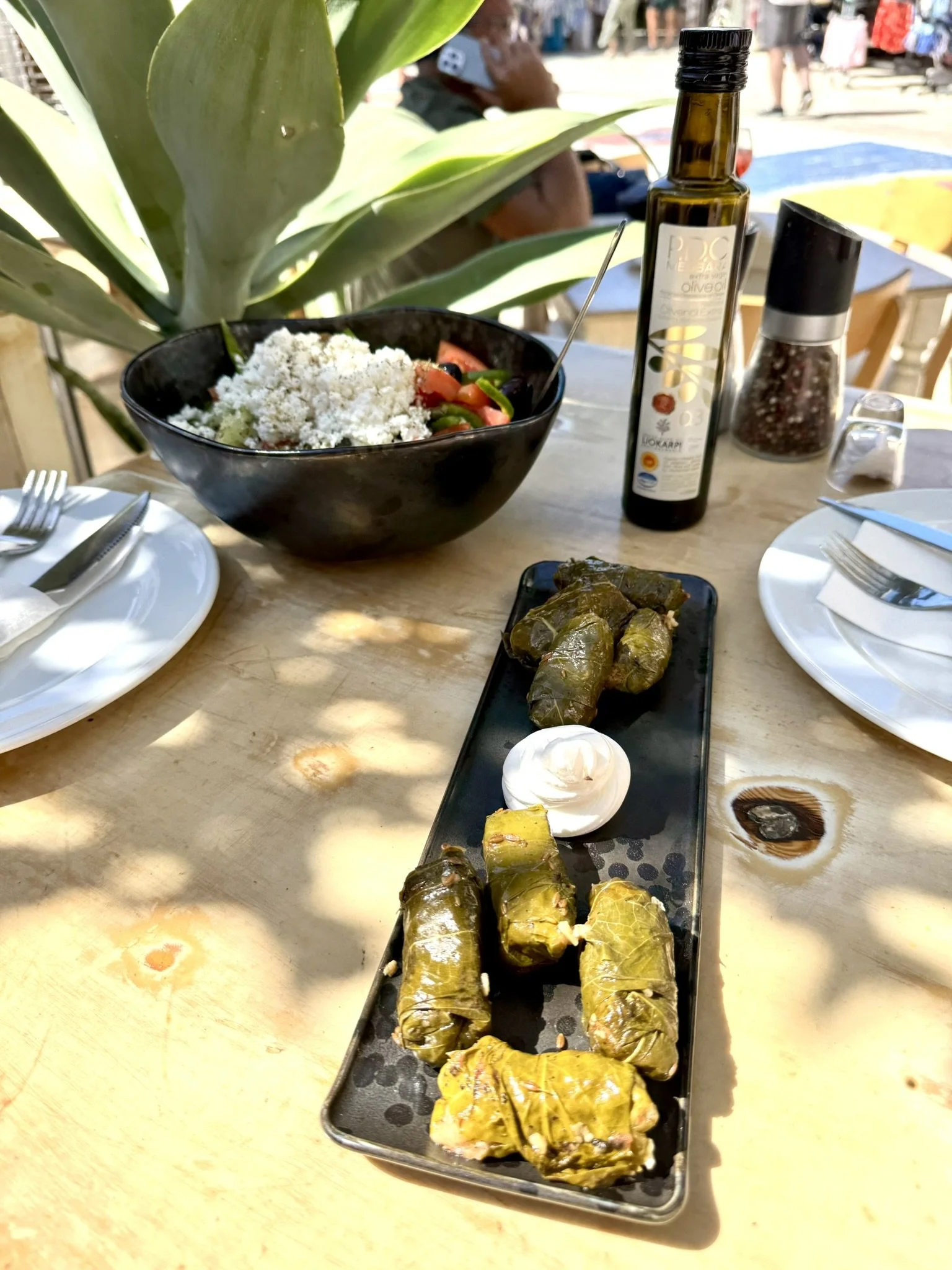
Open-air tavernas serving fresh seafood
Small boutiques and artisan shops
Beach bars where people linger long after sunset
Day 9 - Fly from Heraklion to Athens, and then Athens to Home
After 8 unforgettable days exploring Crete—from pink-sand beaches and dramatic gorges to mountain villages and wineries you'll quickly understand why Greece's largest island is unlike anywhere else in the Mediterranean. We hope this itinerary helps you experience the very best of Crete while leaving enough flexibility to discover your own favourite hidden gems. Crete has completely captured our hearts, and there is no doubt we will return to its magic one day.
Stay tuned…