
Vienna’s Costly Tourist Trap: The €125 Validation Mistake at Schönbrunn Palace
Vienna is a beautiful city, known for its grand architecture, rich history, and efficient public transportation. But one experience left us with a lasting impression for all the wrong reasons — and it's something every visitor should know before stepping onto the metro (subway).
Like many tourists, we purchased 24-hour transit passes from the ticket kiosk at the metro station. The tickets were freshly printed with the date and exact time of purchase, so we naturally assumed they were ready to use. We boarded the train, rode to Schönbrunn Palace, and looked forward to exploring one of Vienna's most iconic attractions.
Instead, we were met by a line of ticket inspectors blocking the station exits.
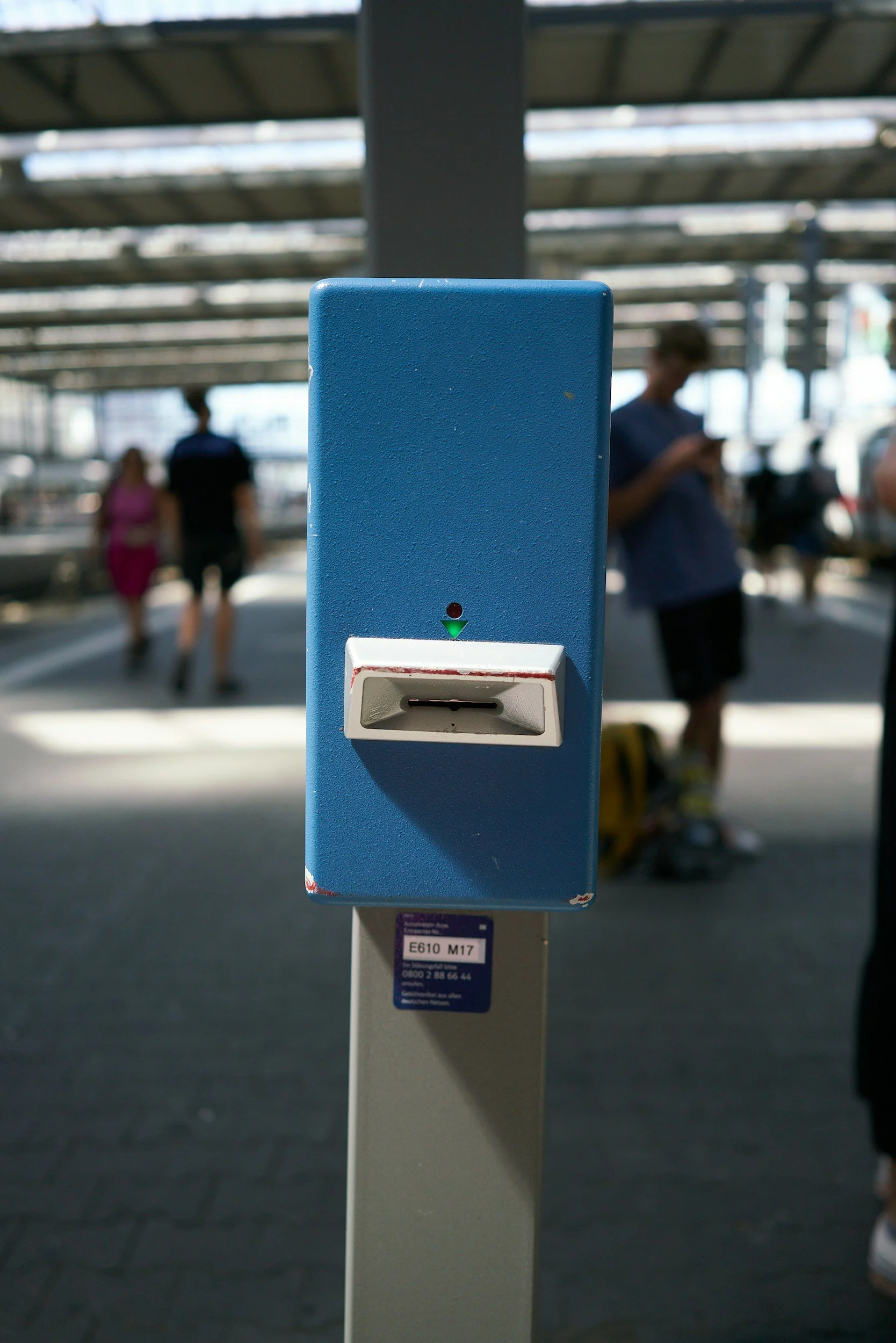
We confidently handed over our tickets, expecting to be waved through. Instead, we were told our tickets were not valid because we hadn't put them into a validation machine before boarding.
Our response was simple: "We just bought them. They're day passes with today's date and time printed right on them."
The inspector explained that regardless of the printed purchase time, the tickets still needed to be validated. He then asked for our passports, noticed we were Canadian, and proceeded to issue each of us a €125 fine.
It felt less like fare enforcement and more like a legal tourist trap. As we stood there, we watched roughly ten ticket inspectors, each issuing fines to tourists arriving at Schönbrunn Palace—one of Vienna's busiest attractions.
The timing didn't seem coincidental. Around 10:00 a.m., when visitors were pouring into the station, inspectors were waiting at the exits. Yet when we returned around 5:00 p.m., after our visit to the palace, there wasn't a single ticket inspector in sight. Whether intentional or not, it gave the impression that enforcement was focused on catching unsuspecting tourists rather than ensuring fare compliance.
For many first-time visitors, a day pass printed with the purchase date and time appears ready to use. Instead, an easy-to-miss validation requirement turned what should have been an honest mistake into a €250 lesson.
We completely understand the need to validate physical single-ride tickets, where a stamp starts the journey and prevents reuse. Furthermore, Vienna’s own mobile tickets purchased on a smartphone don’t require any validation at all—they are active immediately. So when a printed paper day pass already displays the exact purchase date and time, requiring an additional physical validation step seems entirely unnecessary. It feels less like a logical rule and more like a confusing double standard for visitors unfamiliar with the system.
Most tourists don't travel halfway around the world intending to cheat a metro system. They're simply trying to navigate a new city while following what they believe are the rules. Unfortunately, this design flaw transforms what should be a welcoming transit system into a costly trap for unsuspecting visitors.
A Similar Experience in Budapest
Ironically, we witnessed a nearly identical scene play out in Hungary at the Széchenyi Thermal Baths. Visitors who failed to punch their tickets into the physical boxes were being corralled and penalized at the metro station exit.
The vital difference here is that Budapest actually gets day passes right—their 24-hour cards are printed with a specific validity period and do not require extra validation. The tourists getting caught there were using single-ride tickets.
Still, when the inspectors did catch someone, the fine was around €30. Having already learned our expensive lesson in Vienna, we made sure our tickets were validated—but watching other tourists get penalized for a genuine mistake still felt unfair. Even so, Budapest's fine felt infinitely more reasonable than Vienna's €125-per-person extortion for the exact same misunderstanding.
A Lesson for Anyone Using Public Transit in Europe (or Anywhere)
If you're planning to use public transit on your next trip, here's one piece of advice you won't want to miss: understand the ticket validation rules, and if needed, validate your ticket. Ask someone there if you are not sure.
It's a small step that's easy to overlook, but it could save you hundreds of euros.
Vienna remains a beautiful city worth visiting, and Schönbrunn Palace is truly spectacular. However, this experience overshadowed the start of our day. It left us feeling that the system profits from confusing tourists rather than helping them—ultimately giving the sense that Vienna doesn’t really want visitors.